Understanding What Your Garage Door's Noise Means
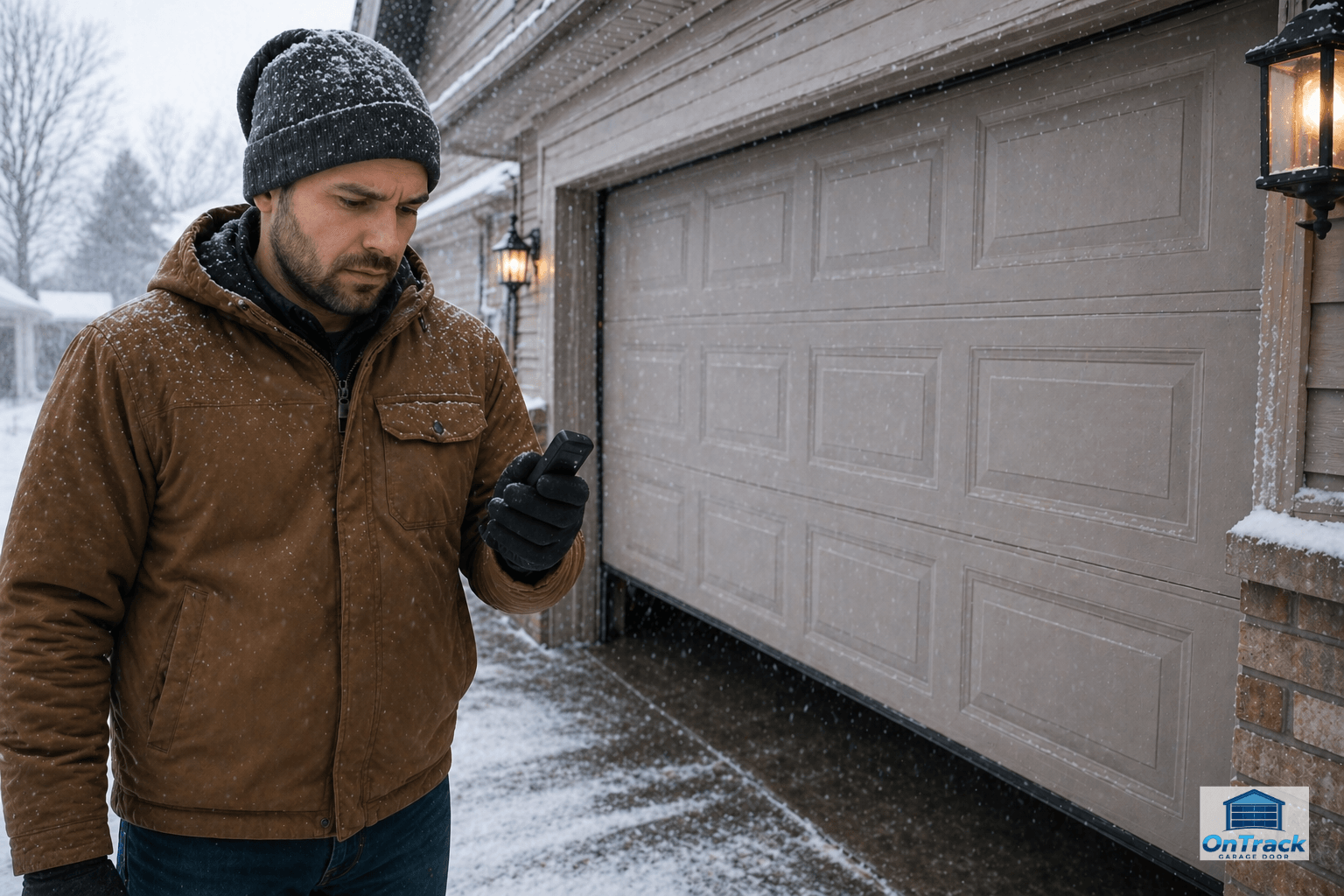
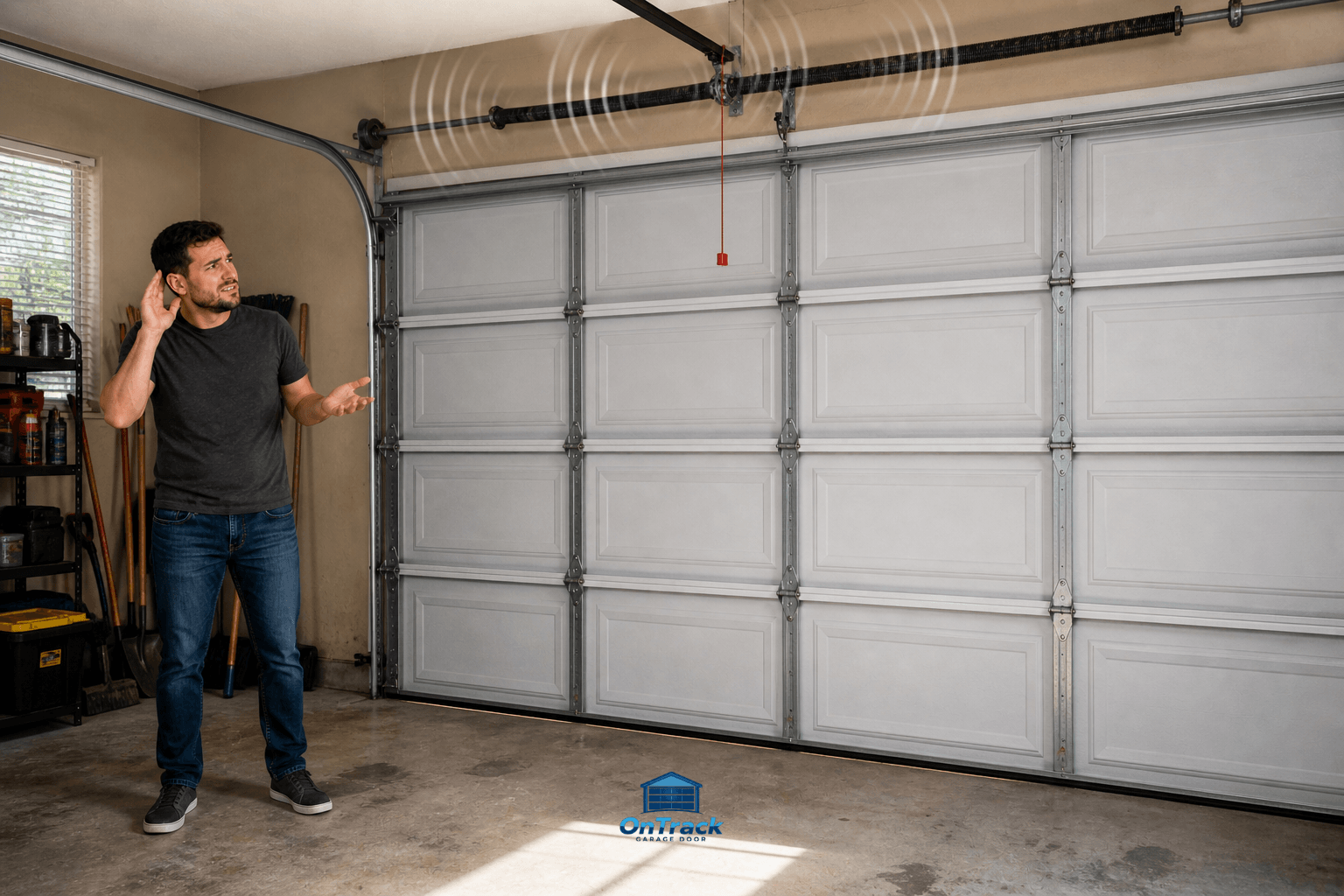
Is your garage door making more noise than usual? It’s not just an annoying sound; it’s often a hint that something needs attention. Those creaks and groans might signal that a part is wearing out, something’s loose, or the door isn’t running smoothly. Ignoring these sounds can lead to bigger, costlier problems or even safety issues down the line.
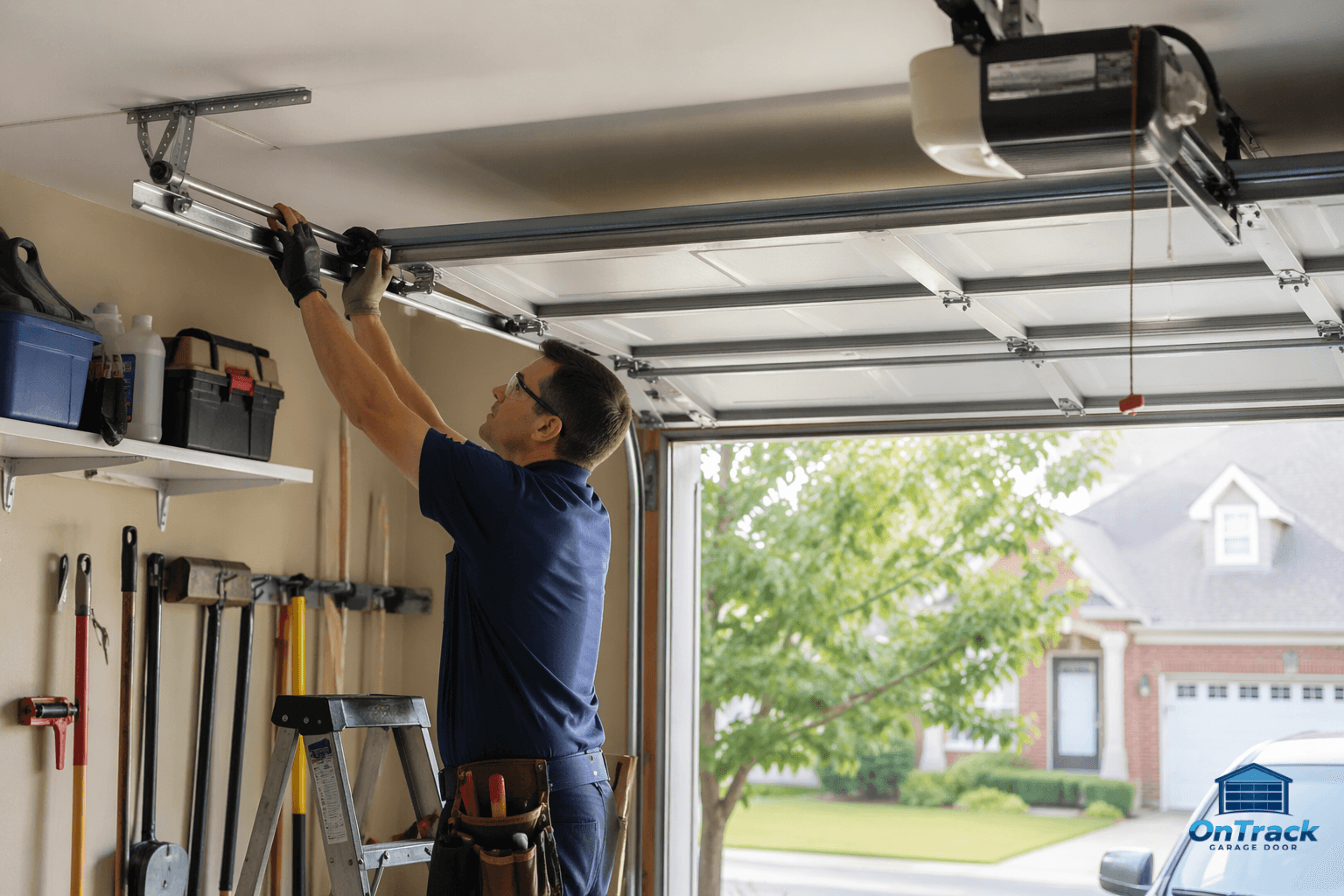
Today’s garage doors are designed to run more quietly, especially with features like nylon rollers and well-balanced springs. But when maintenance slips, noises can creep back in. That’s why experts suggest regular check-ups and tune-ups, such as garage door repair. If your door's sound has changed, it’s worth checking out.
The U.S. Consumer Product Safety Commission advises keeping household systems well-maintained to avoid injuries and failures. Your garage door is no exception. While a noisy door might not be dangerous right away, it’s a sign that something’s not quite right.
Why Your Garage Door Might Be Noisy
1. Missing Lubrication on Moving Parts
Friction is a big culprit behind garage door noise. Hinges, rollers, springs, and bearings all need to be greased up to glide smoothly. Without it, you’ll hear scraping or grinding. This dry friction can wear parts out faster.
Lubricating moving parts every six months can really help. It’s a simple and cost-effective way to keep things quiet. If you’re seeking a peaceful garage door, start here.
2. Old Rollers
Rollers can be noisy, especially if they’re old, rusty, or not rolling properly. Swapping out metal rollers for nylon ones can make a big difference in reducing noise and improving function. This is a popular upgrade because it works well.
If your door clatters along the track, it might be time for new rollers. A professional can help with this and might recommend garage door replacement if needed.
3. Loose Hardware
Your garage door goes up and down a lot, which loosens bolts, brackets, and screws over time. This can cause clanking or rattling sounds. These noises might seem small, but they often hint that the door isn’t as stable as it should be.
Regularly tightening your door’s hardware can prevent these noises and keep everything secure.
4. Misaligned Tracks
Tracks guide your door’s movement, so if they’re misaligned, you’ll hear grinding or scraping. Bent or obstructed tracks make the door work harder, increasing noise and wear.
Fixing track alignment early can avoid bigger problems later. If you think your tracks are off, consider professional garage door installation help.
What Those Noises Mean
Squeaking
Squeaking usually means something needs lubrication, like rollers or hinges. It’s not urgent, but it’s a sign maintenance is overdue.
Don’t just cover up the noise. Find the source and fix it properly. A technician can help pinpoint the issue and determine if it’s hardware wear or something else.
Grinding
Grinding is more serious because it can signal metal-on-metal contact or track issues. If your door sounds rough or struggles to move, it’s stressed and needs attention.
This might mean you need garage door opener repair. Address it quickly to avoid further damage.
Banging or Popping
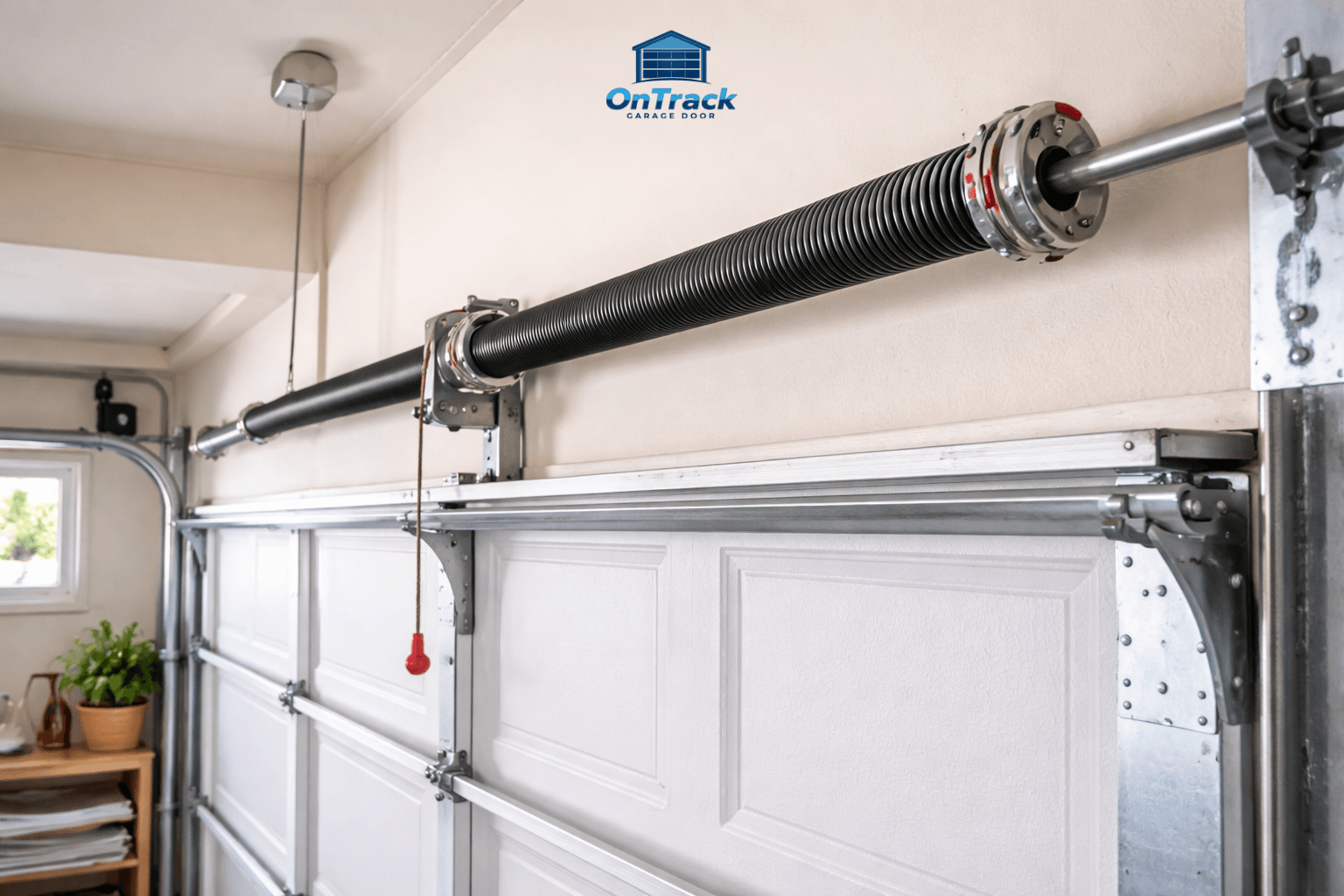
Loud bangs or pops can be alarming and might indicate a spring issue or loose bracket. Because springs are under a lot of tension, this can be dangerous.
Never attempt complex spring repairs on your own. If you hear a loud pop and notice uneven movement, get a professional to check it out. Our post on garage door springs explains why these parts are crucial.
How the Weather in Philadelphia Can Make It Worse
Temperature Swings
In places with big temperature changes, like Philadelphia, metal parts expand and contract. This movement can loosen hardware and thin lubrication, making things noisier.
Preventive care is key here. What was quiet in summer might be noisy in winter if the lubrication has dried out. Check out our article on how Philadelphia's weather impacts your garage door for more info.
Moisture and Rust
Humidity can cause rust on rollers and hinges, leading to rough movement and noise. Corrosion makes parts harder to inspect, too.
Keep an eye out for rust spots and stiff movement. Regular cleaning and rust prevention can help, along with routine service from a local team. This could include garage door opener replacement if needed.
Quieting Your Garage Door
Start with a Visual Check
Before fixing anything, give your door a good look-over. Check for loose bolts, rust, bent tracks, and worn rollers. A quick inspection can help identify the problem.
Listen closely as the door moves. Often, the loudest sound isn’t the main issue but a symptom of something else. That’s why checking things out first is useful.
Lubricate the Right Parts
Use a lubricant meant for garage doors on hinges, rollers, springs, and bearings. Avoid heavy grease, which can attract dirt. Proper lubrication quickly cuts down on noise.
Don’t lubricate the tracks unless specifically advised. If you’re unsure, ask a professional or check the manufacturer’s guide. For more maintenance tips, see our article on how regular garage door maintenance can save you money.
Tighten Loose Hardware
Check hardware regularly. Tightening bolts or brackets can stop rattling and improve stability. Be careful not to overtighten, though.
If things keep coming loose, it might be a sign of a bigger issue. In those cases, the noise might return even after tightening.
Replace Worn Parts Early
Rollers, hinges, and springs wear out over time. Replacing them before they fail can restore quiet operation.
For a smoother system, start with targeted service rather than waiting for a complete failure. If your door keeps making noise, a technician might suggest garage door repair or a partial system refresh.
When to Call a Pro
Uneven Movement
If your door moves unevenly or stops suddenly, it’s more than just noise. It might be a balance issue, a track problem, or a spring concern. Using the door could make things worse.
Get a pro to inspect things. They can safely find the root cause and suggest a solution.
Loud Banging or Visible Damage
Banging sounds with visible damage or jerky movement might mean a broken spring or cable issue. These are heavy moving parts, so handle with care.
If it seems electrical, like the motor straining, a technician might need to check the opener. In that case, garage door opener repair can restore safe operation.
Noise After Basic Maintenance
If lubrication and tightening don’t work, there’s likely a deeper issue. Persistent noise often means parts are too worn for simple fixes.
Calling a professional is the best way to avoid missing hidden damage. Experts say quick attention helps extend your system's life. This advice aligns with ENERGY STAR principles, which emphasize efficient operation and preventive care.
Real-Life Fixes That Worked
Swapping Metal Rollers for Nylon
One homeowner found that their garage door got louder over time, especially in the mornings and evenings. The problem? Old metal rollers and dry hinges. Replacing the rollers with nylon ones and adding lubrication made a noticeable difference.
Reports show similar outcomes, with noise reductions of up to 50% after upgrades. This shows how effective targeted maintenance can be.
Small Fixes, Big Improvements
A noisy garage door doesn’t always mean a major repair. Often, small changes can make a big difference in noise and reliability. A timely inspection can help decide if it’s a simple fix or something bigger.
For many, the biggest perk is not just less noise but smoother, safer operation. If your door is aging, a technician might suggest a broader service plan or discuss whether garage door installation is a better long-term choice.
Your Simple Maintenance Checklist
Monthly and Seasonal Tips
Keep future noise at bay with a simple routine. A monthly visual inspection, checking for loose hardware, and seasonal lubrication can help a lot. Also, listen for new noises.
Seasonal care is key in places with changing weather. Test the door’s movement and inspect for weather-related wear at the start of winter and summer.
What to Look For
During checks, watch for rust, frayed cables, cracked rollers, and strained openers. Any of these can create noise.
For more on why regular checks support safety, see our post on why regular garage door hardware inspections matter for home safety. Preventive care is one of the easiest ways to avoid emergency repairs.
Common Questions About Noisy Garage Doors
Why is my garage door noisy?
Common causes include lack of lubrication, worn rollers, loose hardware, and track issues. Noise often signals that maintenance is needed.
How can I make my garage door quieter?
Start with lubrication and tightening. If that doesn’t help, worn parts might need replacement. A professional can identify the source and fix it.
When should I call a professional?
Call a pro if the noise is loud or sudden, or if the door moves unevenly. Also, call if you suspect a spring or cable issue.
Could a noisy door mean serious damage?
Yes, noise can be an early sign of bigger problems like a failing spring or bent track. Tackling the noise early prevents larger issues.
Quiet Operation Starts with Good Care
You don’t have to live with a noisy garage door. Once you find the source of the sound, the fix is often straightforward. Whether it’s lubrication, rollers, or something else, timely maintenance brings back quiet, reliable operation.
For dependable help, working with a local team can make all the difference. OnTrack Garage Doors offers services to tackle noisy systems before they turn into bigger problems, including garage door opener replacement, repair, installation, and maintenance. The goal is a quieter, safer garage door.
If your door has started acting up, now’s the time to act. Schedule an inspection, address the issue early, and extend your system's life. A quieter garage door means more peace of mind for your home.