Why Weather Affects Your Garage Door
Weather might seem like a minor factor when it comes to home upkeep, but it plays a big role in how your garage door works. Temperature changes, humidity, rain, wind, and ice can all mess with metal parts, wood panels, seals, openers, and tracks. For folks who use their garage daily, these changes can quickly become annoying or even a safety concern.
In a place like Philadelphia, with cold winters and humid summers, it’s crucial to know how the weather affects your garage door. You might notice stiffness in the morning, louder noise when it’s cold, or a door that doesn’t seal well after a storm. If these sound familiar, getting professional help can prevent small weather-related issues from turning into big problems.
Even with modern doors made from stronger materials and better insulation, the weather still wears them down over time. That’s why picking a durable door and keeping up with maintenance is so important. Higher-insulation doors and thermal breaks can improve comfort and efficiency, especially when winter temperatures hover around the upper 30s in Philadelphia. For more on garage door safety, check out the U.S. Consumer Product Safety Commission's resources.
Cold Weather Challenges for Garage Doors
Metal Contraction and Stiff Parts
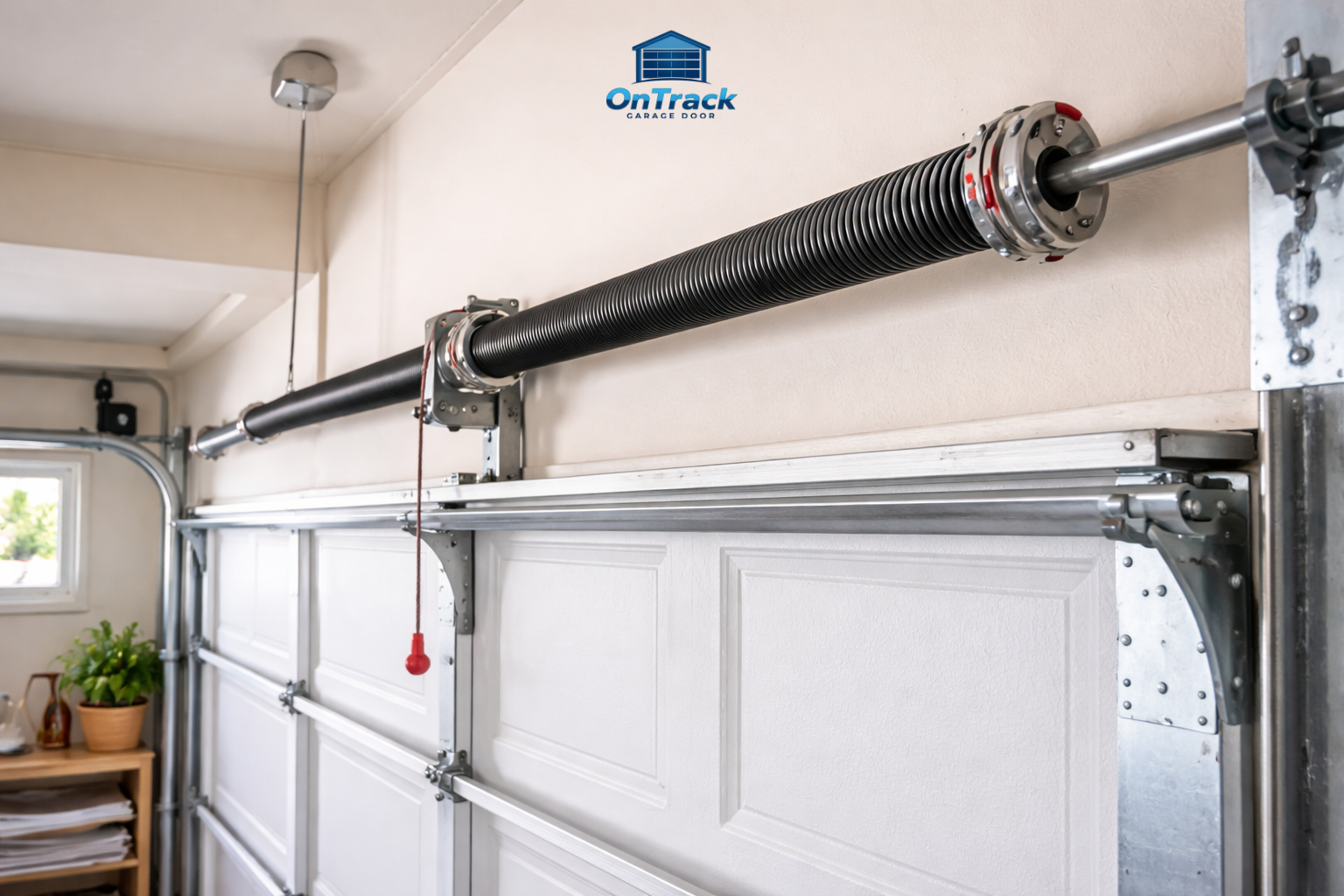
Cold weather causes metal parts to contract, which can lead to noticeable issues. Springs, rollers, hinges, and tracks might feel tighter, making the door sound louder or move more slowly. Sometimes, a door can feel balanced one day and heavy the next just because of a temperature drop.
When metal contracts, your opener has to work harder, which can shorten its life and wear out the spring system faster. If your door starts hesitating in winter, it might be time for a repair to prevent further problems.
Ice, Frozen Seals, and Sticking Doors
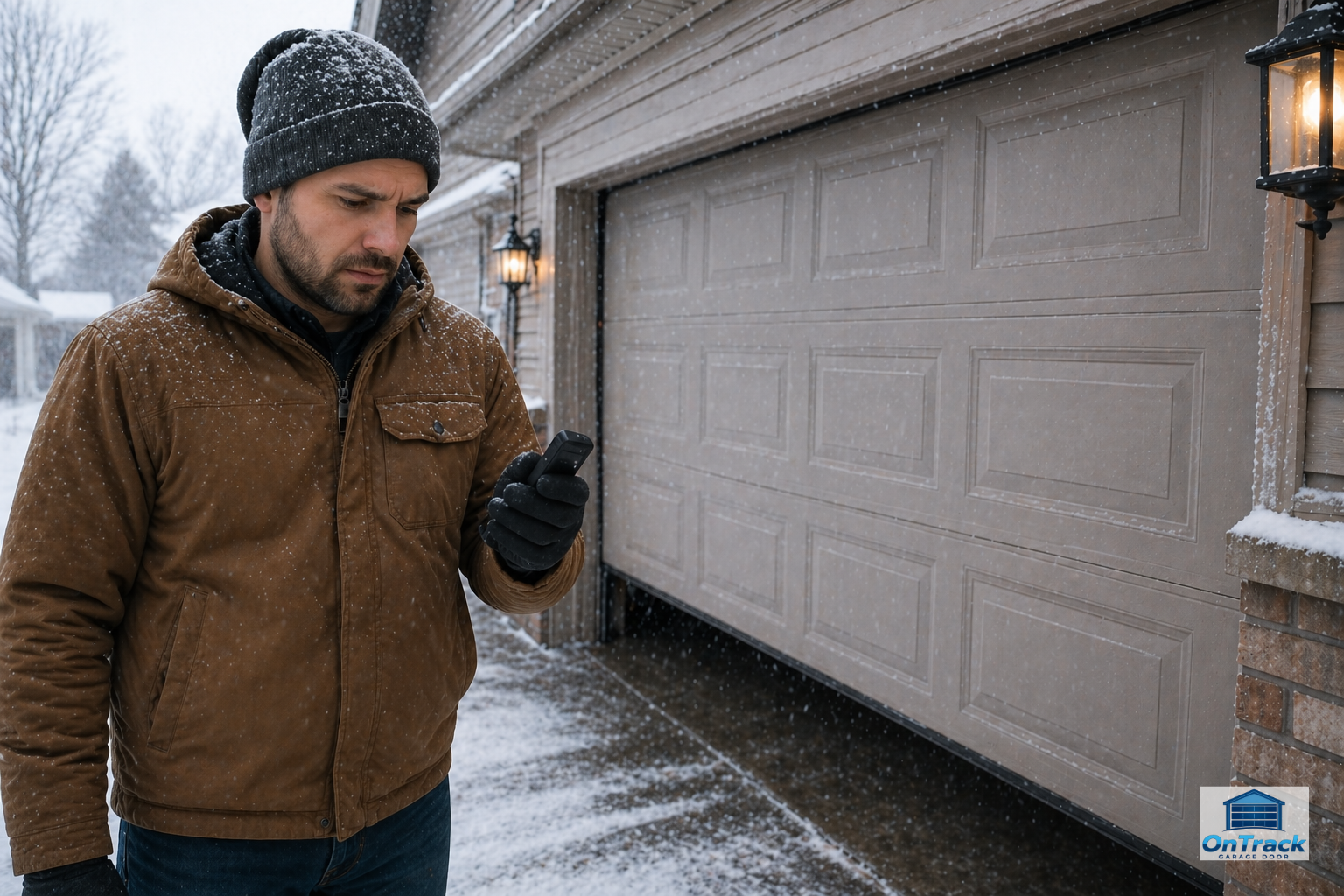
Moisture is a garage door's worst enemy during cold spells. Snowmelt, condensation, and freezing rain can freeze around the bottom seal or sides of the frame, making the door stick or hard to open.
A frozen seal isn’t just inconvenient; forcing the door open can damage weather stripping or strain the opener. Clear ice buildup carefully, avoid prying the door open, and inspect seals for cracks. If the bottom seal is brittle, replacing it might be better than constant patching.
Humidity, Rain, and Moisture Issues
Rust, Corrosion, and Swollen Materials
Humidity affects garage doors over time. Moisture in the air can lead to rust on steel parts, especially if protective coatings wear down. In wood doors, humidity causes swelling, warping, and uneven closing, reducing efficiency and security.
Coastal areas show what happens when moisture repeatedly meets metal. Homeowners there often have higher maintenance costs because rust develops faster. The same happens in humid areas near the Delaware River and during muggy Philadelphia summers, making routine maintenance a smart investment.
Moisture's Effect on Seals and Insulation
Weather stripping is meant to block drafts, dust, and water, but it only works if intact and aligned. Excess humidity can weaken adhesives, and wet-dry cycles can crack or detach seals. Once that barrier fails, water and warm air easily enter, reducing comfort and energy efficiency.
Garage door insulation is a big trend. Homeowners seek doors with better R-values, thermal breaks, and weather-resistant seals to reduce heat loss and manage indoor temperatures. If your system is aging or deteriorating, replacing the door might be the best way to restore performance.
Wind, Storms, and Pressure Changes
How Strong Winds Affect Garage Doors
Wind can create unexpected pressure on a garage door, especially large two-car ones. Gusts pushing on the panel may cause flexing or make the opener struggle. In severe weather, wind pressure can reveal weaknesses in tracks, hinges, and reinforcement hardware.
Homes facing open streets, wide driveways, or exposed corners are more vulnerable to wind-driven wear. If the door shakes, rattles, or bounces in a storm, it’s a sign the hardware may need attention. A professional inspection can determine if tightening, reinforcement, or a new installation is needed.
Storm Debris and Impact Damage
Flying debris in storms can dent panels, dislodge trim, or damage sensors. Even minor impacts can affect door alignment, causing uneven closing or unexpected reversing. These issues might not seem urgent, but they can compromise daily function and safety.
After a storm, check for visual damage, listen for new sounds, and see if the door remains aligned in the tracks. If the opener acts unpredictably, replacing it might be necessary if it is damaged by strain or electrical issues.
Picking Weather-Resistant Garage Doors
Choosing the Right Material
Not all garage doors handle weather the same way. Steel doors are popular for their strength and durability, while fiberglass and composite materials work well in humid conditions since they resist warping better than wood.
According to the U.S. Department of Energy, insulation and air sealing significantly reduce heat loss in homes. This applies to garage doors, especially if the garage is attached and shares a wall with living spaces. Picking the right material can lower maintenance and boost energy savings.
Trends in Insulation and Thermal Breaks
Improved insulation is a big trend in garage door design. Doors with higher R-values slow heat transfer, useful in cold and humid weather. Thermal breaks add another protection layer by reducing heat movement through metal panels.
These features go beyond comfort. They help reduce opener strain, protect stored items, and stabilize temperatures in adjacent rooms. If you plan an upgrade, consider installing an insulated model for better performance and efficiency.
Seasonal Maintenance Tips
Lubrication, Inspection, and Seal Checks
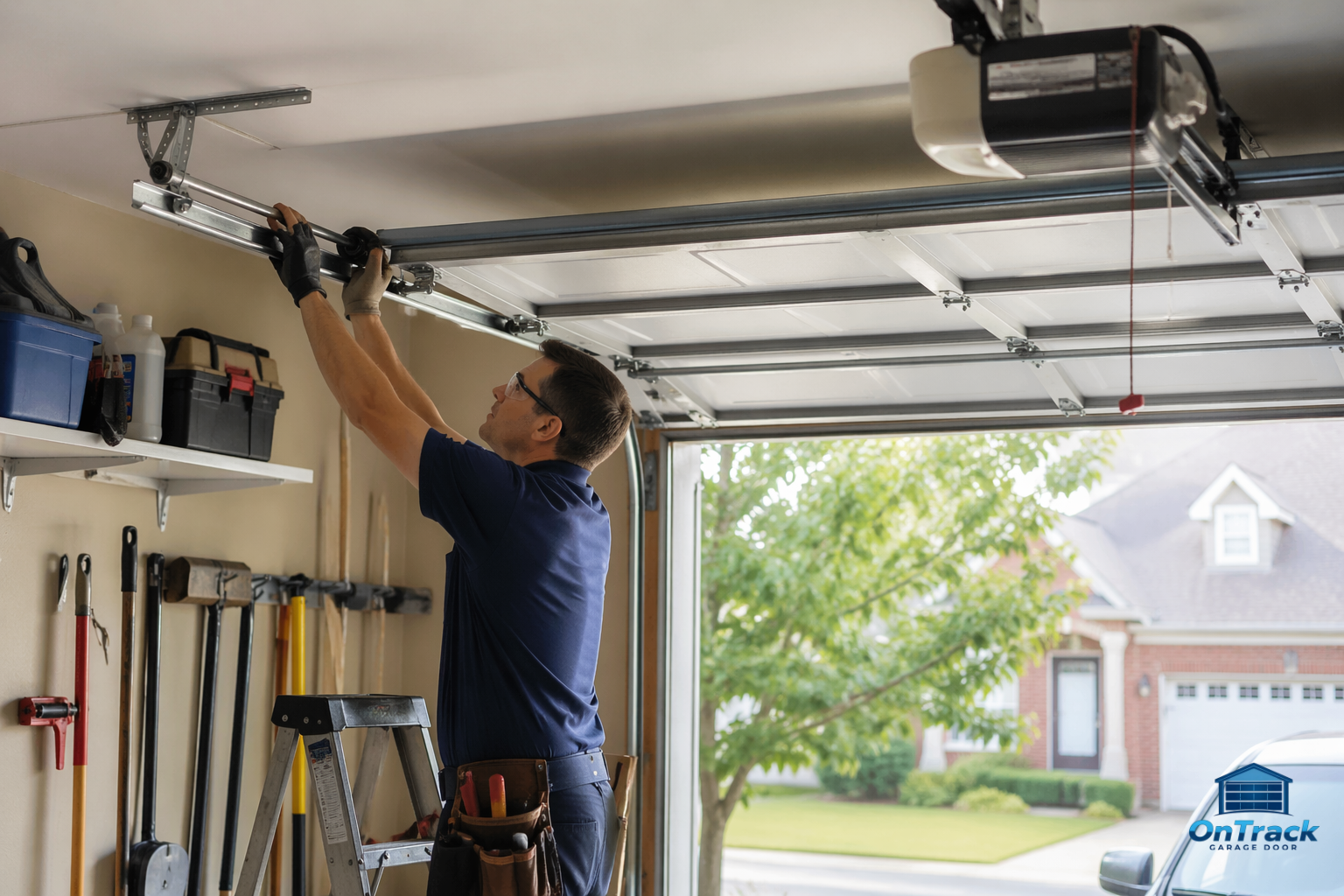
Regular maintenance is key to protecting a garage door from weather-related wear. Lubricating moving parts reduces friction in cold weather, while checking tracks and rollers can reveal rust or buildup early. Inspect weather stripping for cracks or gaps that let drafts and moisture in.
Most of these tasks can be done seasonally. A fall inspection prepares the door for winter, while a spring check finds moisture or storm damage. For a more detailed approach, see our guide on saving money through regular maintenance.
What to Watch for Each Season
After winter, look for sticky movement, brittle seals, and rust spots. Post-summer, watch for warping, faded finishes, and increased noise from parts that dried out. Seasonal changes often reveal small issues, so act early rather than wait for a failure.
If your door makes unusual sounds or opens unevenly, a worn spring system might be the cause. Our article on garage door springs explains their importance for safe operation.
Spotting Weather-Related Problems
Slow Movement and Noisy Operation
Slow movement is often one of the first signs of weather affecting garage door performance. Cold thickens grease, humidity adds resistance, and rust makes rollers sound rough. These changes usually start subtly but become noticeable as the season goes on.
Noise is another clue. A door that squeaks, bangs, or grinds louder than usual may need lubrication or alignment. If the problem appears suddenly, check out our guide on troubleshooting garage door issues.
Uneven Closing and Sensor Problems
Weather can also mess with door alignment and safety sensors. Humidity might cause corrosion on brackets, while wind or temperature shifts can move tracks slightly. When that happens, the door may close unevenly or reverse unexpectedly.
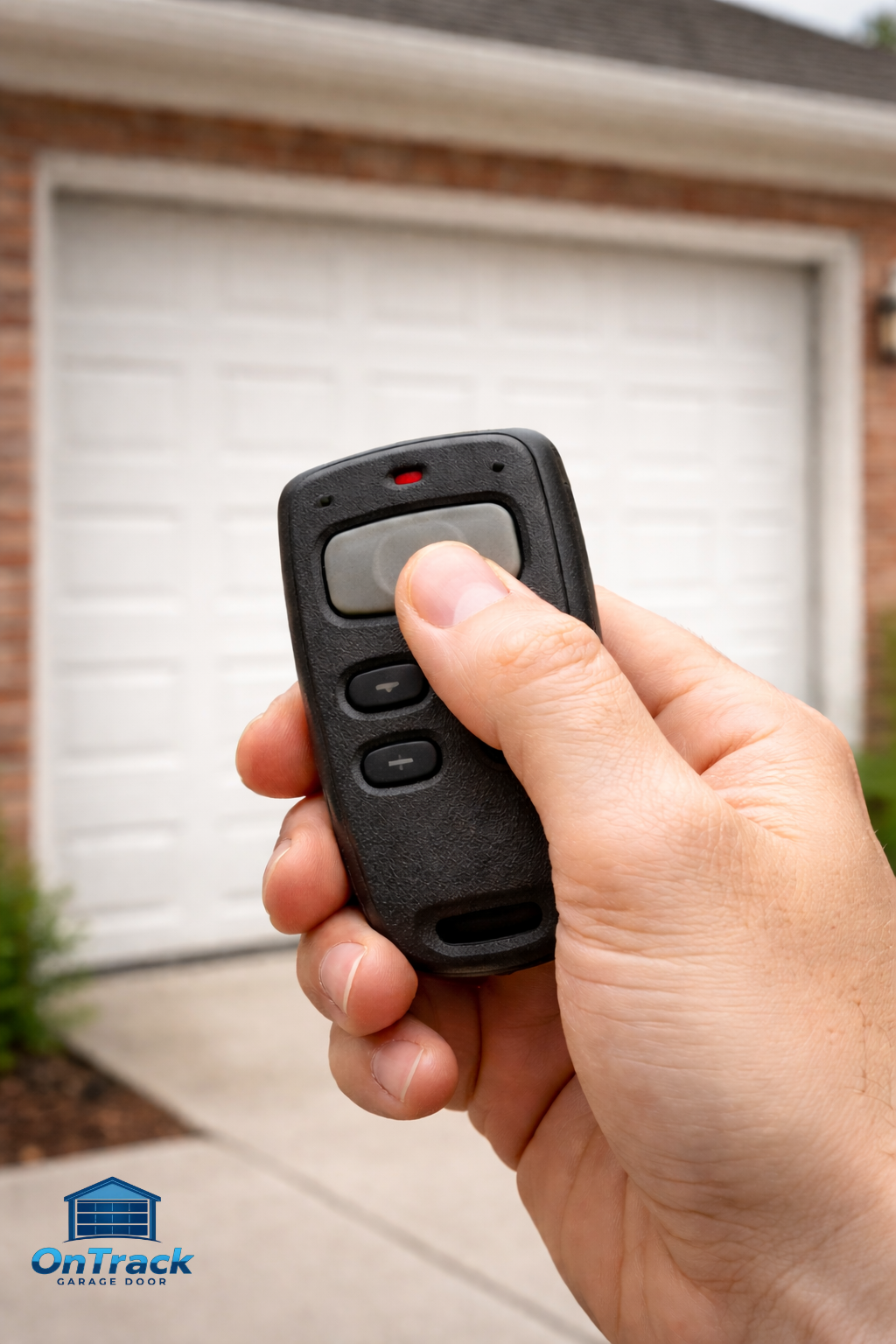
Sensor problems can be tricky because they often look like electrical faults when the issue is physical alignment. A professional check can determine if the door needs track adjustment, sensor cleaning, or more advanced repair. This is why choosing professional repair when symptoms appear is beneficial.
Repair or Replace: What to Do
When Repair Is Enough
If weather damage is limited to a worn seal, noisy roller, or misaligned sensor, repair is usually the best solution. Targeted service can restore function without the cost of replacement. Timely repair also prevents further damage by reducing stress on the hardware.
That’s why early intervention is valuable. A small issue caused by cold or moisture can quickly lead to a bigger problem. For those looking to preserve the current system, local options like opener repair or component replacement are cost-effective choices.
When Replacement Makes Sense
Replacement is more practical when weather causes widespread wear, repeated breakdowns, or visible deterioration. If panels are warped or insulation is weak, a new door might save money over time by cutting maintenance and energy costs. Upgrading can also boost curb appeal.
If aesthetics are your focus, our post on garage door curb appeal shows how style and performance go hand in hand. A good replacement delivers better weather resistance, safer operation, and a cleaner look.
Philadelphia Weather Considerations
Year-Round Stress from Cold Winters and Humid Summers
Philadelphia’s weather is tough on garage doors. Winter brings contraction, frozen seals, and stiffness, while summer humidity speeds up rust and swelling. This makes preventative maintenance vital for attached garages, rental properties, and busy homes.
The goal isn’t just to react, but to prevent problems. Choosing insulated materials, keeping seals in good shape, and scheduling service before weather changes can make the system more reliable. In neighborhoods like Northeast Philadelphia, routine care helps avoid emergency calls.
Why Local Expertise Matters
Garage door issues are regional, so local knowledge is key. A technician familiar with Philadelphia’s weather can recommend the right R-value, spot common moisture problems, and suggest sensible upgrades.
For business owners and homeowners, service tailored to local conditions extends system lifespan. OnTrack Garage Doors offers practical solutions for real-world weather effects, from winter stiffness to summer humidity. If your door shows seasonal wear, schedule an evaluation before the next temperature change.
FAQs About Weather and Garage Doors
How Does Cold Weather Affect My Garage Door?
Cold weather can make metal parts contract, grease thicken, and seals stiffen or freeze. These changes might make the door louder, slower, or harder to open. In severe cases, ice can form at the bottom edge and stop the door until cleared.
What Materials Are Best for Humid Climates?
Steel with protective coatings and fiberglass are strong choices for humid conditions because they resist warping and handle moisture well. Insulated doors with quality weather stripping also help limit seasonal dampness effects.
How Often Should I Schedule Maintenance?
A seasonal check is a good baseline, especially before winter and after storms. If your garage door gets heavy use or shows noise, sticking, or alignment changes, consider more frequent service. Regular upkeep prevents weather-related problems from becoming major repairs.
Act Before the Next Weather Change
Weather affects your garage door, but it doesn’t have to control your maintenance costs or routine. With the right materials, proper insulation, and seasonal care, your door can stay reliable through cold snaps, humid weeks, and storms. The key is to act early, before small changes become costly repairs.
If you need help identifying weather-related wear or want advice on long-term solutions, OnTrack Garage Doors is here to help. From repair and maintenance to replacement and installation, we provide service to keep your system running smoothly year-round. To schedule service or ask questions, visit our website and find the right solution for your home today.