How to Extend the Lifespan of Your Garage Door System
Your garage door works hard every day, opening and closing thousands of times throughout its life. It protects your car, keeps your things safe, and plays a big role in your home's security and energy efficiency. With the right care, a garage door can last between 15 and 30 years. But how long it actually lasts depends a lot on maintenance, how you use it, and the condition of all the moving parts. Want to avoid surprise breakdowns and costly repairs? This guide will show you how to keep your garage door in great shape.
If you’re looking for reliable help, services like garage door repair and garage door opener repair can make a big difference when small issues start popping up. Regular upkeep is often cheaper than dealing with a complete system failure, especially since repair costs can add up quickly. Industry data shows that even small garage door repairs can cost a few hundred dollars, while a full replacement can cost thousands. That makes preventive care a smart investment.
In this article, we’ll cover practical maintenance routines, warning signs to watch for, the latest garage door tech trends, and expert tips for getting the most out of your system. You’ll also learn when it’s time to repair, upgrade, or replace parts before they become bigger problems.
Why Garage Door Lifespan Depends on Preventive Care
Small problems become expensive quickly.
Garage doors are mechanical systems, meaning every hinge, spring, roller, cable, and opener part works together under tension. When one part starts to wear out, the stress often shifts to other parts, causing a chain reaction of damage. A noisy roller may seem minor at first, but over time, it can lead to track damage, opener strain, or uneven movement that shortens the life of the entire system.
Preventive care is the key to avoiding that cascade. By checking and maintaining components regularly, you can catch issues before they become failures. For example, a loose bracket or dry roller can be corrected in minutes during an inspection, while waiting too long may result in costly emergency service.
Maintenance supports safety and performance.
Garage door maintenance is not just about saving money. It also improves home safety. Springs hold significant tension, cables manage weight, and sensors help prevent accidents. If these parts are neglected, the door may become unreliable or dangerous. The U.S. Consumer Product Safety Commission emphasizes the importance of garage door safety features like auto-reverse systems and properly functioning photo-eye sensors, which is why routine checks matter so much.
When your door operates smoothly, it also places less strain on the opener and other hardware. That means quieter operation, better sealing, and fewer service interruptions. If your system is already showing signs of wear, exploring garage door replacement may be the most cost-effective option if repairs are becoming frequent.
Build a Maintenance Routine That Actually Works
Do monthly visual inspections
Monthly inspections are one of the simplest ways to extend the life of your garage door system. You don’t need to be a technician to spot obvious warning signs. Look for worn rollers, frayed cables, rust, bent tracks, loose bolts, or visible gaps in the weather seal. Also, observe how the door moves: does it shake, hesitate, or close unevenly?
A quick inspection can help you catch problems before they escalate. The goal is not to repair everything yourself, but to identify changes early. If something looks unusual, a professional can determine whether you need a tune-up, part replacement, or a more comprehensive service visit.
Lubricate moving parts every six months
One of the most recommended maintenance tasks is lubrication. Experts commonly suggest applying a silicone-based lubricant to rollers, hinges, tracks, and other moving metal parts every six months. This reduces friction, helps the door move more quietly, and prevents premature wear. It’s a small task that can significantly extend the lifespan of your system.
Avoid using heavy grease unless a manufacturer specifically recommends it, because it can attract dirt and cause buildup. For more guidance on prolonging performance through upkeep, review our related article on how regular garage door maintenance can save you money. A consistent routine like this can make a major difference over time.
Test balance and auto-reverse features
Testing the door balance is another important step. If the spring system is balanced properly, the door should stay in place when partially opened, rather than slamming down or rising on its own. An unbalanced door makes the opener work harder, which can shorten its life and increase the risk of failure.
It is also wise to test the auto-reverse feature every month. Place a solid object under the door and close it. If the system doesn’t reverse immediately, the safety sensors may need adjustment or cleaning. According to safety guidance from the U.S. Department of Energy and other residential energy resources, maintaining a tight and functional garage opening also supports efficiency, especially when weatherstripping is in good condition.
Pay Attention to Springs, Cables, and Rollers
Springs carry the most stress.
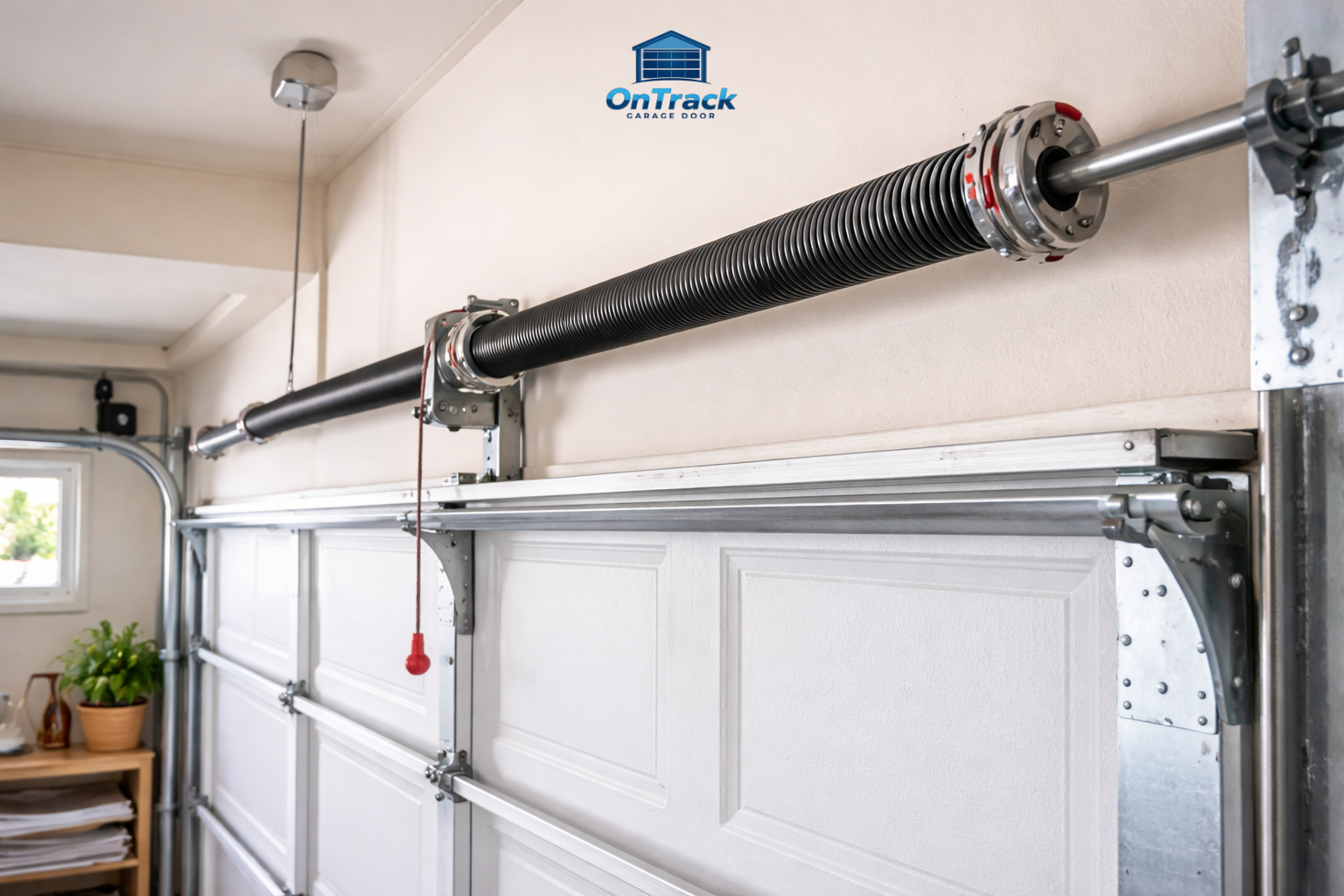
Garage door springs do the heavy lifting. They offset the door’s weight so the opener doesn’t have to do all the work. Because springs operate under extreme tension, they are among the most likely components to wear out first. If you hear a loud snap, notice the door lifting unevenly, or see a visible gap in a torsion spring, the spring may be failing.
For a deeper explanation of how these parts function, it helps to understand the mechanics covered in our article on garage door springs and why they matter. Since spring failure can create a serious safety risk, repairs should always be handled by trained professionals rather than attempted as a DIY fix.
Cables and rollers need regular attention.
Cables and rollers experience constant movement and vibration. Over time, cables can fray or loosen, while rollers may develop flat spots or crack under repeated use. When this happens, the door may sound rough, move unevenly, or become stuck. These signs should not be ignored because damaged cables or rollers can quickly affect tracks and opener components.
Replacing worn rollers or repairing cables early can prevent much bigger expenses later. If your system is already struggling to open or close properly, our guide on why your garage door won’t open or close properly can help you troubleshoot the issue before calling for service.
Track alignment affects the entire system.
Misaligned tracks are another common source of premature wear. Even a slight bend or obstruction can make the door drag, vibrate, or jump as it moves. Over time, that extra friction places stress on rollers, cables, and the opener. Keeping tracks clean and properly aligned helps the entire system last longer.
If your garage door has repeatedly come off track or needs major structural correction, professional service is the safest approach. In some cases, a garage door installation or a targeted track repair may be the most efficient way to restore reliable operation.
Don’t Overlook Weatherstripping and Insulation
Weatherstripping protects against moisture and drafts
Weatherstripping is one of the most underrated parts of garage door maintenance. It keeps out rain, snow, dust, pests, and drafts, while also reducing the amount of moisture that reaches the bottom edge of the door. In places with seasonal temperature swings, like Pennsylvania, a worn seal can quickly lead to rust, warping, and energy loss.
Inspect weather seals along the bottom and sides of the door at least twice a year. If they are cracked, brittle, or no longer compressing properly, replace them. This simple step helps preserve both the door and the garage environment. It can also improve the overall performance of insulated doors by keeping conditioned air where it belongs.
Insulation adds long-term protection.
Insulated garage doors are becoming increasingly popular because they offer better energy efficiency, quieter operation, and improved temperature stability. They are especially useful for attached garages or homes where the garage is used as a workspace. In a climate with cold winters and humid summers, insulation can reduce expansion and contraction that wears on hardware over time.
For homeowners considering a style or material upgrade, understanding how design affects performance is valuable. Our article on how your garage door impacts your home’s curb appeal also explains how a modern door can improve both appearance and durability. When you choose the right insulation level, you are not just saving energy, you are protecting the whole system.
Moisture control matters year-round
Water intrusion is a major enemy of garage door longevity. Moisture can rust metal components, damage wooden sections, and weaken seals. During humid months, condensation may also affect sensors and hardware, especially if the garage lacks proper ventilation. Keeping the area dry and well-sealed is one of the best ways to preserve the system.
Homeowners in Philadelphia and nearby neighborhoods often benefit from seasonal inspections because weather changes can accelerate wear. If you are in the region and need expert help, OnTrack Garage Doors offers support for both maintenance and repairs tailored to local conditions.
Embrace Smart Technology Without Ignoring Basics
Smart openers can improve reliability and convenience
Modern garage door technology has made major strides in recent years. Smart garage door openers allow homeowners to monitor and control their doors from a smartphone, receive alerts when the door is left open, and integrate with home security systems. These features improve convenience, but they can also help you notice problems early.
For example, if your app repeatedly shows incomplete closure or unusual operating patterns, it may be a sign that something mechanical needs attention. If your opener is outdated or unreliable, consider garage door opener replacement or a professional garage door opener installation to bring your system up to current standards.
Safety sensors help prevent accidents.
Enhanced safety sensors are another valuable trend. Today’s sensors are more precise than older systems, but they still need cleaning and alignment to function correctly. Dust, cobwebs, and impact can all interfere with sensor performance. A system that refuses to close or reverses unexpectedly often has a sensor issue rather than a major mechanical failure.
Industry organizations and product safety standards continue to encourage reliable auto-reverse protection because garage doors can pose a serious hazard when neglected. That is why regular testing and cleanup are essential even if you have newer equipment. Technology helps, but it does not replace maintenance.
Use technology as an early warning system.
The best approach is to use smart features as an added layer of awareness, not a substitute for inspections. Notifications, remote access, and usage logs can help you spot unusual patterns, but they cannot detect worn springs or failing rollers on their own. Combine technology with routine care for the best results.
This balanced approach is especially useful for busy households. If several family members use the garage multiple times a day, a smart opener can help you track usage and react before a minor problem turns into an emergency service call.
Know the Warning Signs Before Major Damage Happens
Listen for unusual noises.
Garage doors often tell you when they are in trouble. Grinding, squeaking, popping, or scraping noises usually indicate friction, loose hardware, or worn components. A door that suddenly becomes louder than usual should be inspected, even if it still works. Noise is often the earliest sign of trouble.
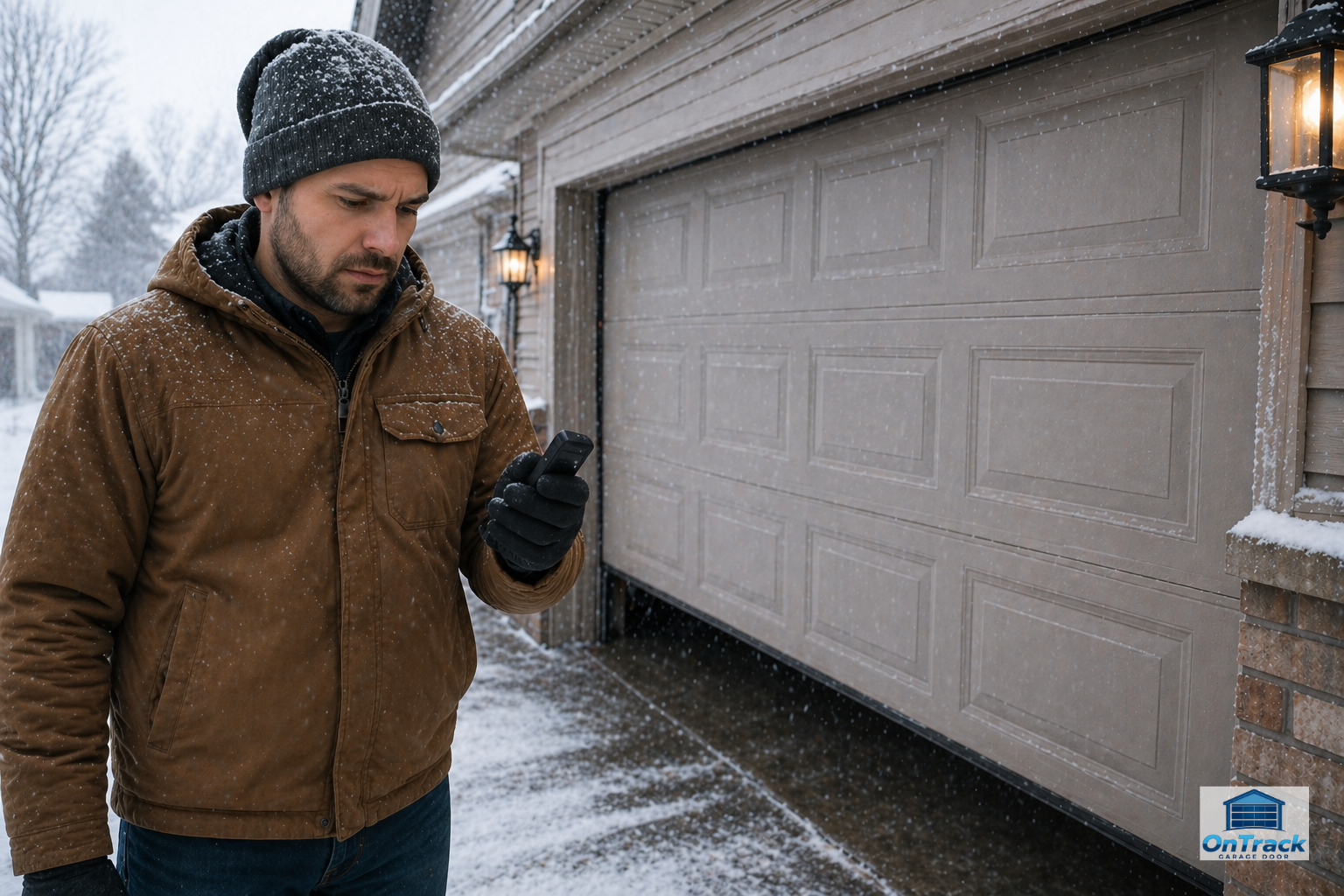
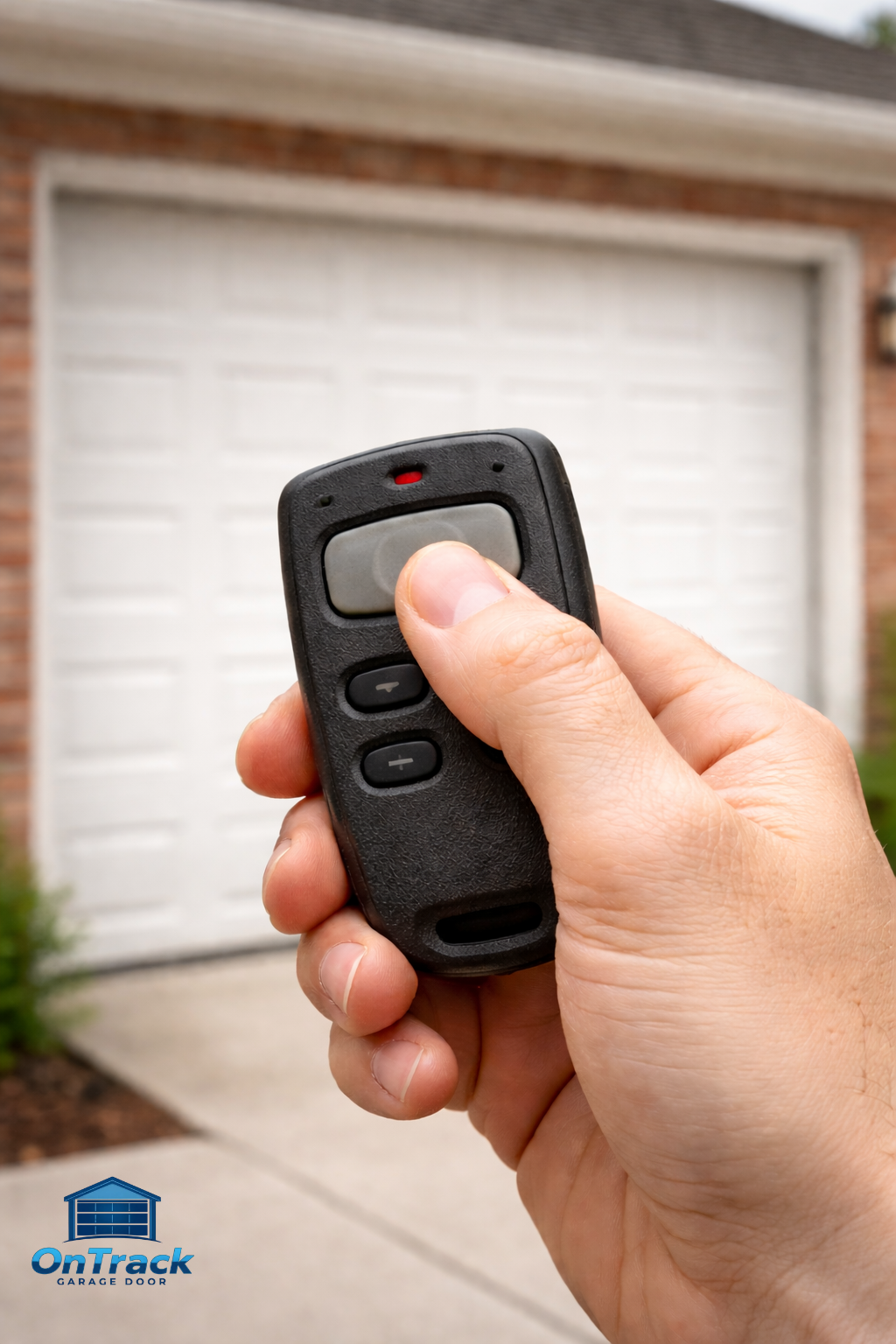
If you hear a loud bang followed by a door that no longer opens correctly, a spring may have broken. In that case, stop using the system and call a professional immediately. For ongoing trouble with a noisy or unreliable opener, our garage door remote troubleshooting article can also help narrow down whether the issue is with the remote, opener, or the door itself.
Watch for slow movement or uneven travel.
A healthy garage door should move smoothly and consistently. If it hesitates, jerks, or hangs on one side, there may be a mechanical imbalance or a worn part in the system. This kind of strain usually worsens over time, which is why early intervention is so important.
Uneven travel can also indicate track issues, cable problems, or spring fatigue. The sooner you address these symptoms, the less likely you are to face a full replacement later. Catching the problem early can preserve both the opener and the door panels.
Look for visible wear on panels and hardware.
Warped panels, chipped paint, rust patches, and loose fasteners may seem cosmetic, but they can also indicate underlying stress. A damaged panel can affect balance and sealing, while rust can weaken critical hardware. When too many parts show age at once, the system may be nearing the end of its useful life.
If the door is more than 20 years old and repairs are becoming frequent, it may be more cost-effective to replace it. That is especially true if the door lacks modern safety or insulation features. A professional assessment can help you choose between repair and replacement with confidence.
What Real-World Maintenance Success Looks Like
A simple routine can add years of use.
One Philadelphia homeowner reported that bi-annual lubrication, monthly inspections, and prompt attention to minor hardware issues helped their garage door operate smoothly for more than 25 years without major repairs. That kind of result is not unusual when maintenance is consistent. The door was not ignored, and each small issue was corrected before it spread.
This example highlights a key point: longevity is usually the result of habits, not luck. You do not need a complicated maintenance plan to protect your garage door system. You just need a reliable routine and the willingness to act early when something changes.
Commercial-style discipline works for residential systems, too.
Commercial properties often follow scheduled maintenance because downtime is expensive. Homeowners can benefit from the same mindset. A short monthly review, seasonal tune-up, and prompt repair schedule can keep residential systems functioning far longer than neglected doors. That is why many home service providers now offer maintenance packages designed to preserve performance and reduce emergency calls.
If your goal is to avoid surprise failures, professional maintenance services can provide peace of mind. They are especially valuable for households with heavy daily garage use, multiple vehicles, or older equipment that needs more attention than a brand-new system.
The Philadelphia climate makes routine care even more important
Temperature swings, winter moisture, and summer humidity can all impact garage door parts over time. Metal contracts and expands, seals harden, and lubricants can break down faster in extreme conditions. Local weather makes maintenance more important, not less. Insulated doors and careful seasonal upkeep can reduce the impact of climate-related wear.
For homeowners in the area, regular maintenance is one of the best defenses against premature system failure. It is a practical way to protect your investment and avoid the higher costs associated with emergency repairs or full replacement.
When to Repair, Replace, or Upgrade
Repair if the issue is isolated
If the problem is limited to one component, such as a sensor, roller, cable, or remote, repair is usually the most sensible choice. Isolated issues are common and can often be resolved quickly without replacing the full system. A well-maintained door with one bad part may still have many years of useful life left.
Services like garage door repair are ideal when the structure is still sound, and the opener is in decent condition. A professional technician can assess whether the fix is enough or whether the problem is part of a larger pattern.
Replace when repairs become frequent.
If your garage door is over 20 years old, has repeated failures, or lacks safety and efficiency features, replacement may be the smarter long-term investment. Frequent repairs can add up quickly, and older doors often become harder to source parts for. At some point, replacement gives you better reliability, safety, and value.
Data from industry cost guides shows why this decision matters. In some markets, repair averages can be a few hundred dollars, while replacement often exceeds one thousand dollars. That means the right choice depends on age, condition, and how often problems occur. For a new system that improves performance and curb appeal, professional garage door replacement may be the best next step.
Upgrade when convenience and safety are priorities
Sometimes the best path is not a full replacement but a targeted upgrade. Smart openers, improved sensors, better insulation, and modern hardware can all extend the useful life of an existing system while improving daily performance. This approach is especially useful if your door itself is in good shape, but the opener or accessories are outdated.
If convenience matters and you want to modernize your setup, a professional garage door opener repair or installation update can improve both reliability and home security. Thoughtful upgrades often pay off through smoother operation and fewer service calls.
Simple Habits That Protect Your Investment
Keep the area around the door clear.
Obstructions near the tracks, sensors, or floor line can interrupt normal operation and increase wear. Keep stored items away from moving parts and avoid bumping the door with vehicles or equipment. Small impacts can throw alignment off just enough to create ongoing problems.
Good housekeeping around the garage door may seem basic, but it is one of the easiest ways to preserve the system. A clean, organized space makes inspection easier and reduces accidental damage.
Schedule professional tune-ups
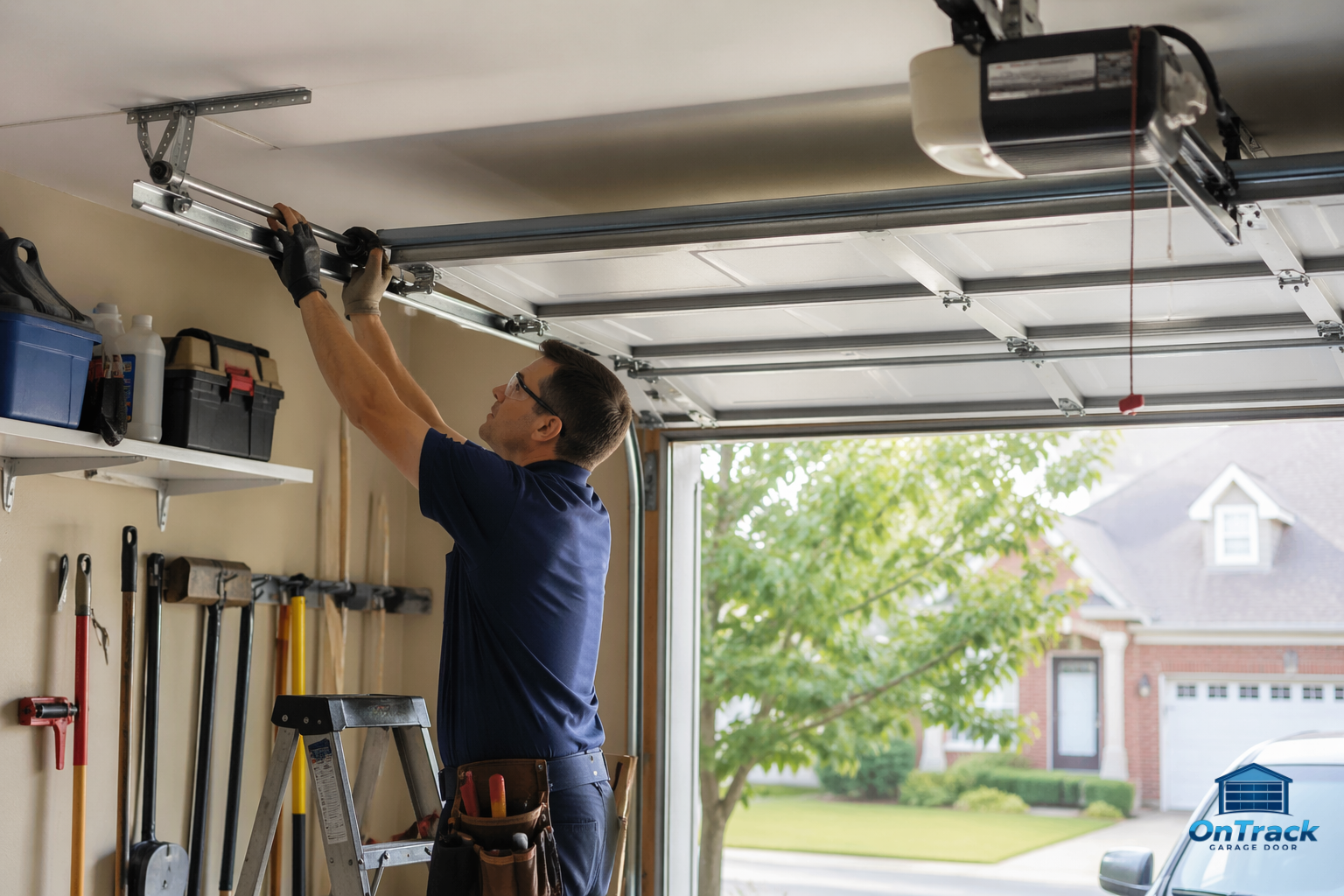
Even confident DIY homeowners benefit from periodic professional maintenance. A trained technician can spot hidden wear, test the balance, tighten hardware, and identify parts that need attention before they fail. This is especially valuable for springs, cables, and opener systems that should not be handled casually.
If you want dependable, long-lasting performance, scheduling regular service is one of the smartest investments you can make. It supports safety, extends lifespan, and often lowers the chance of emergency calls at inconvenient times.
Keep a maintenance record.
Tracking lubrication dates, repairs, and part replacements can help you understand how your system is aging. A simple record makes it easier to notice patterns, such as repeated sensor problems or frequent spring wear. It also helps a technician diagnose issues more efficiently during a service visit.
Maintenance records may not seem necessary at first, but they become extremely useful once the system begins to age. Knowing what has already been repaired can help you decide when to invest in upgrades or replacements instead of repeating short-term fixes.
Conclusion: A Longer-Lasting Garage Door Starts With Consistency
Extending the lifespan of your garage door system is not about one major repair or a single upgrade. It is about consistent, practical maintenance that protects every component over time. Monthly inspections, semiannual lubrication, weatherstripping care, safety testing, and timely repairs all work together to keep the system reliable and efficient.
By paying attention to the early warning signs and staying ahead of wear, you can avoid many of the most expensive problems homeowners face. Smart technology can add convenience, but routine upkeep remains the real foundation of long-term performance. If your system needs expert attention, or if you are considering repair, replacement, or an opener upgrade, the team at OnTrack Garage Doors is ready to help.
Take the next step today by reviewing your garage door’s condition and scheduling service before a small issue turns into a major repair. A little care now can save you money, protect your home, and help your garage door system serve you well for many years to come.