Why Your Garage Door Won’t Open or Close Properly (And What to Do)
We’ve all been there: you're about to leave for work, and your garage door just refuses to cooperate. It’s more than a nuisance; it affects your daily life and security. Let’s dive into why this happens and what you can do about it. We’ll cover common issues, simple fixes, and when it’s time to call in the pros. Plus, we’ll share some real-life examples and trends to keep you ahead of the game.
Want a quick look at how garage doors work? Check out the Wikipedia entry on garage doors for a basic understanding of the parts involved.
Common Causes: What Usually Stops a Garage Door
First, let's talk about what typically goes wrong. Most issues are pretty straightforward: sensors, springs and cables, manual disconnects, power issues, or physical damage. Knowing where to start can save you time and prevent risky DIY attempts.
1. Misaligned or Blocked Photo Eye Sensors
Photo eye sensors are those little devices that make sure the path is clear before the door closes. If they’re dirty or out of line, your door might not close or it might reverse. Try cleaning them with a soft cloth and aligning them using a flashlight.
2. Broken or Worn Springs and Cables
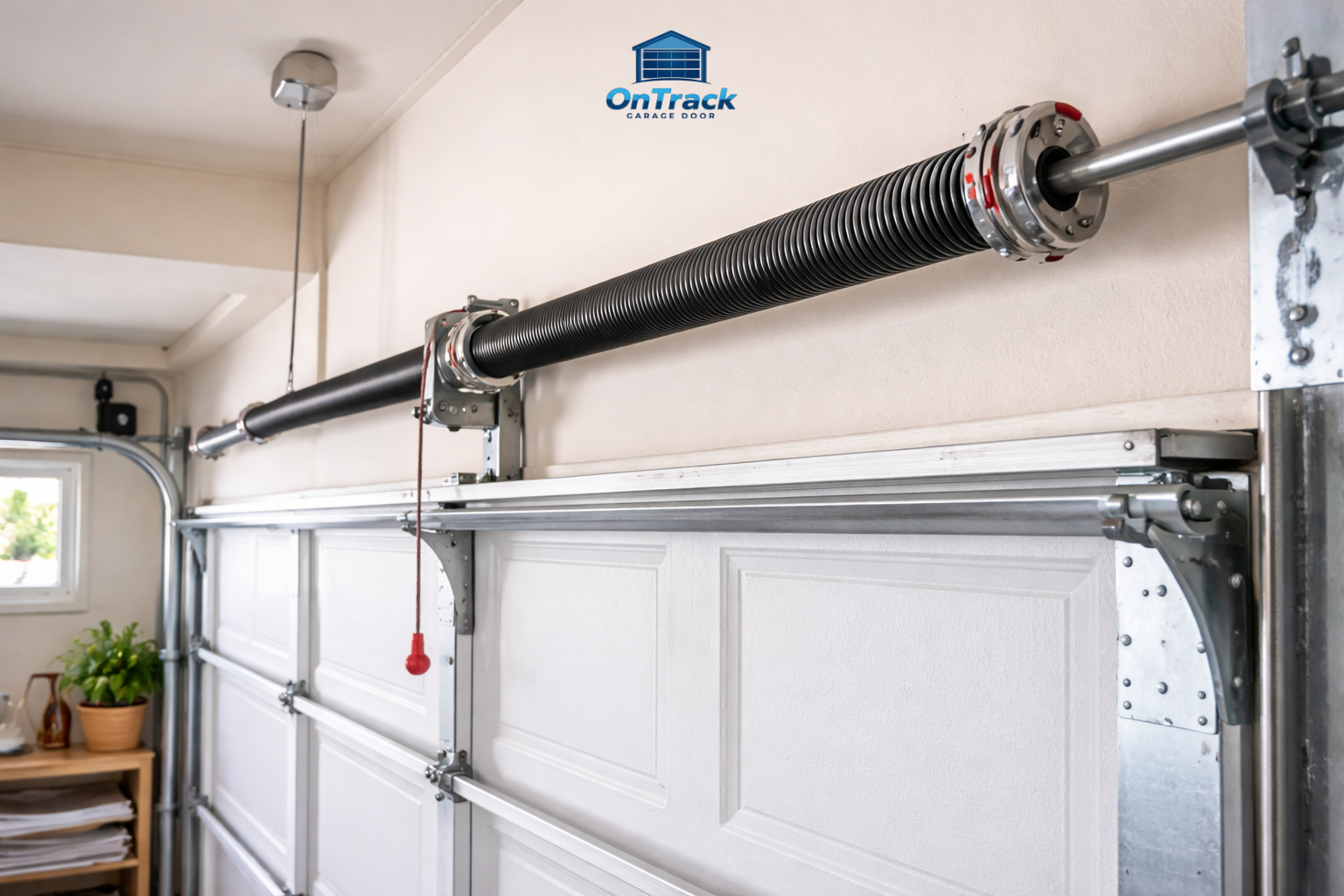
Springs and cables do the heavy lifting. If they’re broken, the door might be too heavy for the opener to move. These parts can be dangerous, so leave repairs to professionals.
3. Disconnected Manual Release
Sometimes, the manual release cord gets pulled by accident. This keeps your door from responding to the remote. Look for a red cord or lever, and reattach it according to the opener’s instructions.
4. Electrical and Power Supply Problems
Your garage door opener is an electrical device, so check the power first. Make sure it’s plugged in, the outlet works, and the circuit breaker hasn’t tripped.
5. Damaged Panels, Rollers, or Off-Track Doors
If the door or its parts are physically damaged, it won’t work properly. Trying to force it can make the problem worse. If you notice any severe damage, call a technician.
How to Diagnose the Problem Step-by-Step
Here’s a step-by-step approach to figuring out what’s wrong. Start with the easy stuff and work your way up. If you hit a snag with springs or serious damage, it’s time to call a professional.
Step 1: Observe and Listen
Stand back, hit the remote, and watch what happens. Does the motor hum without moving the door? Does it start and then reverse? Weird noises often point to specific issues.
Step 2: Check Power and Controls
Make sure the opener has power. Test the wall button, remote, and keypad. If nothing works, it’s likely an electrical issue.
Step 3: Inspect Sensors and Safety Reversing Mechanism
Check the sensors for dirt or misalignment. Use a flashlight to ensure the path is clear. Test the door’s reversing mechanism by placing an object under it.
Step 4: Assess Door Balance and Springs
Disconnect the opener and try lifting the door manually. If it’s hard to lift or doesn’t stay open, the springs might need attention.
Step 5: Look for Track and Roller Issues
Inspect the tracks for dents and the rollers for wear. Don’t try to fix track alignment yourself; call a pro if it’s needed.
DIY Fixes You Can Safely Try
Not every garage door problem requires a technician. Some issues are easy to fix on your own, saving you time and money.
Cleaning and Aligning Safety Sensors
Use a soft cloth to clean the sensors. Adjust them gently until they’re aligned, and check for steady indicator lights.
Checking and Resetting the Manual Release
If the manual release is engaged, pull it to reconnect. Follow your opener’s instructions to get everything back in sync.
Replacing Remote Batteries and Inspecting the Wall Control
Before assuming the worst, change the remote batteries. Check the wall control for loose wires or damage.
Lubricating Moving Parts
Regular lubrication keeps things running smoothly. Use a silicone-based lubricant on rollers and hinges, but avoid thick greases.
When to Call a Professional Technician
Some problems need professional expertise. If springs, cables, or complex electronics are involved, it’s safer to get a pro. OnTrack Garage Doors can help with these high-risk repairs.
Broken Springs or Cables
Broken springs are dangerous. Don’t attempt to fix them yourself. A technician knows how to handle these safely.
Doors Off Their Tracks or Bent Panels
If your door is off track or has bent panels, it’s a job for a pro. They have the tools to fix it safely.
Complex Opener Failures and Control Board Replacement
If the motor hums but nothing moves, or you see error codes, call a technician. They can troubleshoot and fix the problem.
Commercial or Heavy-Duty Doors
For commercial or heavy-duty doors, professional service is a must. OnTrack Garage Door offers specialized solutions for these.
Maintenance Best Practices to Prevent Future Problems
Regular maintenance keeps your garage door in top shape. A little effort now saves money and headaches later.
Bi-Annual Inspection Checklist
Twice a year, check springs, cables, rollers, tracks, and sensors. Tighten any loose hardware and test the door’s balance.
Lubrication and Hardware Tightening
Keep moving parts lubricated and tighten loose bolts. This reduces wear and strain on the motor.
Seasonal Adjustments for Climate Effects
Weather affects metal parts. In Philadelphia, check your door before winter and after summer for any issues.
Keep the Area Clear and Safe
Make sure the door’s path is clear of debris and stored items. This prevents accidental damage.
Technology and Trends: How AI and Diagnostics Are Changing Repairs
New tech like AI is making garage door repairs faster and more accurate. It’s helping pros diagnose issues quickly and precisely.
AI-Assisted Diagnostics
Many technicians use AI tools to troubleshoot and prioritize fixes. It’s especially handy for commercial customers with lots of units.
Image Recognition and Remote Assessment
Image recognition helps techs diagnose problems from photos or video calls, speeding up service.
Smart Openers and Connectivity
Smart openers offer remote monitoring and alerts. They add convenience but might need specialized support if issues arise.
Case Studies and Real-World Examples
These real-life stories show how simple maintenance can prevent bigger problems and how professional help restores your door’s function.
Case Study 1: Sensor Cleaning Solves Intermittent Closing
A homeowner in Philadelphia had issues with their door reversing. Cleaning the sensors solved the problem quickly.
Case Study 2: Broken Spring in a Commercial Garage
A business had a broken spring that stopped their door. A technician replaced it with a heavy-duty spring, getting them back to work fast.
Case Study 3: Opener Replacement Boosts Reliability
A homeowner upgraded their old opener and saw fewer issues. The new model added smart features and improved performance.
Comprehensive FAQ and Troubleshooting Guide
Here are quick answers to common garage door questions. Use this guide to decide your next steps.
How often should I perform maintenance?
Inspect and lubricate your door twice a year. Check sensors and tighten hardware during these checks.
Can I repair springs myself?
No, springs are dangerous. Always hire a professional for these repairs.
Why does the door reverse after starting to close?
This usually means sensor issues or an obstruction. Check the sensors and path before adjusting the opener.
What if the opener hums but the door won’t move?
This often means broken springs or a disconnected trolley. Check the balance and call a pro if needed.
How can I improve the longevity of my garage door system?
Stick to a maintenance routine, keep parts lubricated, and address problems quickly. Consider professional inspections yearly.
Additional Safety Tips and Authoritative Resources
Keeping your garage door safe is crucial. For more safety tips, visit the U.S. Consumer Product Safety Commission for helpful guides.
For more on how garage doors work, check out Wikipedia. Stay informed and safe!
Conclusion: Next Steps and How OnTrack Garage Door Can Help
Dealing with a stubborn garage door is frustrating, but most problems are solvable. Start with the basics like checking power and sensors. For anything involving springs or structural issues, call a professional.
If you’re in Pennsylvania, OnTrack Garage Door can help with reliable repairs and services. Whether it’s a broken spring or a full replacement, we’re here for you. Check out our garage door opener repair and garage door repair services, or consider a garage door replacement for a fresh start.
Ready to fix your garage door? Contact OnTrack Garage Door today for an inspection or emergency service. We offer honest estimates and prioritize safety and reliability.