Essential Guide to Garage Door Springs: How They Work and Why They Matter
Ever wonder what really happens when you hit the button to open your garage door? A lot of it comes down to the springs. These little guys do the heavy lifting, taking on the weight of the door so the opener doesn’t have to work too hard. If a spring goes bad, you might find your door suddenly impossible to lift, making strange noises, or just refusing to work.
Understanding garage door springs isn’t just a technical thing. It’s about safety, maintenance, and saving you a headache down the line. Whether you’re trying to dodge unexpected problems or planning for a fix, this guide breaks down how springs work, the types you’ll mostly see, how to spot issues early, and why calling in the pros is often the best move. And if you’re dealing with a busted door, our garage door repair services can help get things back to normal.
Your garage door’s system relies on tension and balance. That’s why you shouldn’t just forget about spring maintenance. The U.S. Consumer Product Safety Commission warns that equipment failures at home can be pretty hazardous, especially when parts are under tension. You can read more about staying safe at home by checking out the Consumer Product Safety Commission website.
What Garage Door Springs Actually Do
Balancing the Door’s Weight
Garage doors can be heavy—easily over 100 pounds. Springs help balance that weight so your opener isn’t doing all the work. Without them, the opener would wear out fast, and you’d have a hard time opening the door manually.
This balance is what makes a garage door feel light when you’re using it. When everything’s set up right, the door should lift easily and stay put if it’s partially open. If it suddenly feels heavy or won’t open at all, the springs might be the problem. In those cases, getting a pro to check it out is often the safest bet, especially if you also need garage door opener repair because the opener has been working overtime.
Supporting Smooth Daily Operation
Every time your garage door opens or closes, it stresses the springs a bit. They store energy when the door closes and release it when it opens, making the motion feel smooth rather than jerky.
Over time, using the door a lot can wear out the springs. That’s why spring life is often measured in cycles instead of years. If you’re opening your garage several times a day, the springs will wear out faster than if you’re only using it occasionally. That’s why getting cycle-rated replacements has become a smart choice for many homeowners.
The Two Main Types of Garage Door Springs
Torsion Springs
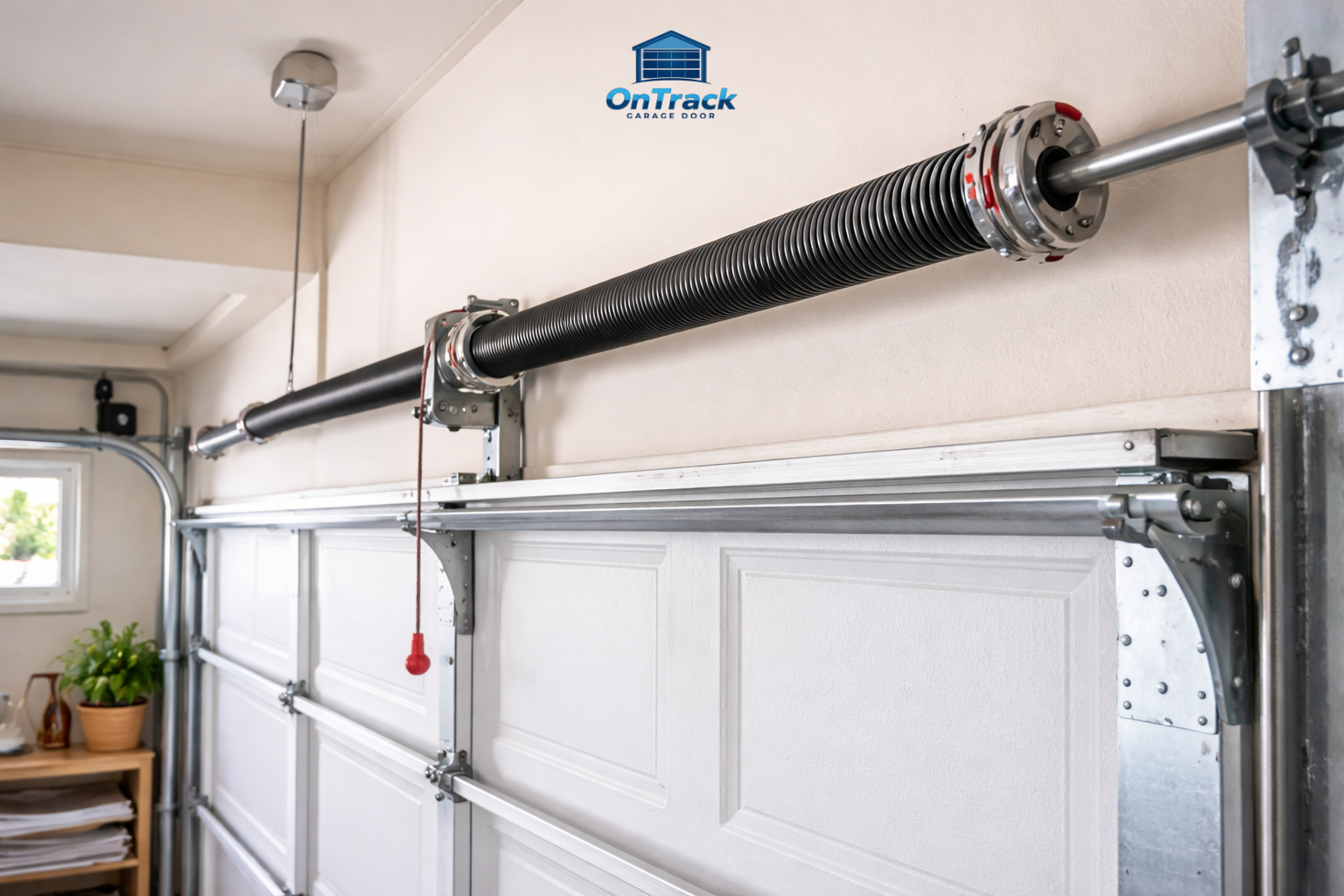
Torsion springs are set up horizontally above the door. They twist to store energy and are popular because they offer controlled lifting and better balance for heavier doors. Many new systems use them because they provide smoother operation.
Experts say torsion springs last about 10,000 to 15,000 cycles, which can be around 7 to 10 years of use. This can vary depending on your climate, door weight, and how well you maintain them. If your setup is getting old, you might want to think about a full garage door replacement if the door is also aging or damaged.
Extension Springs
These run along the sides of the door tracks and stretch as the door closes. They’re common on lighter residential doors and work well when installed correctly. But they do need safety measures because if they fail, they can snap back suddenly.
That’s where safety cables come in. It’s recommended to use them with extension springs to help contain parts if a spring breaks. This can make a big difference in reducing risk, especially in older systems. If you’re not sure whether your safety hardware is up to par, getting a pro to check it out is a good idea.
How Springs Fail Over Time
Metal Fatigue and Cycle Wear
Springs mostly fail because of metal fatigue. Each cycle adds a bit of stress until weak spots develop and then snap. Often, the break happens without warning, though sometimes you’ll see signs like gaps in the coil or rust.
People often think springs fail gradually, but that’s not usually the case. They can look fine one day and break the next. That’s why regular inspections are recommended. A good maintenance routine can help spot wear early and let you plan repairs before the door becomes a problem. Curious how regular maintenance can save you money? Check out our article on regular garage door maintenance.
Rust, Moisture, and Climate Stress
Humidity and temperature changes can speed up corrosion on garage door springs. This is especially important in areas with seasonal changes, where moisture and winter salt can affect metal parts. Folks in Philadelphia, for example, should keep an eye on seasonal wear because of freeze-thaw cycles and damp conditions.
Corrosion weakens springs and makes them more likely to break. Keeping the area clean and checking for rust can help. In some cases, getting corrosion-resistant springs might be a good idea if your home faces tough weather conditions.
Warning Signs Your Garage Door Springs Need Attention
Visible and Audible Clues
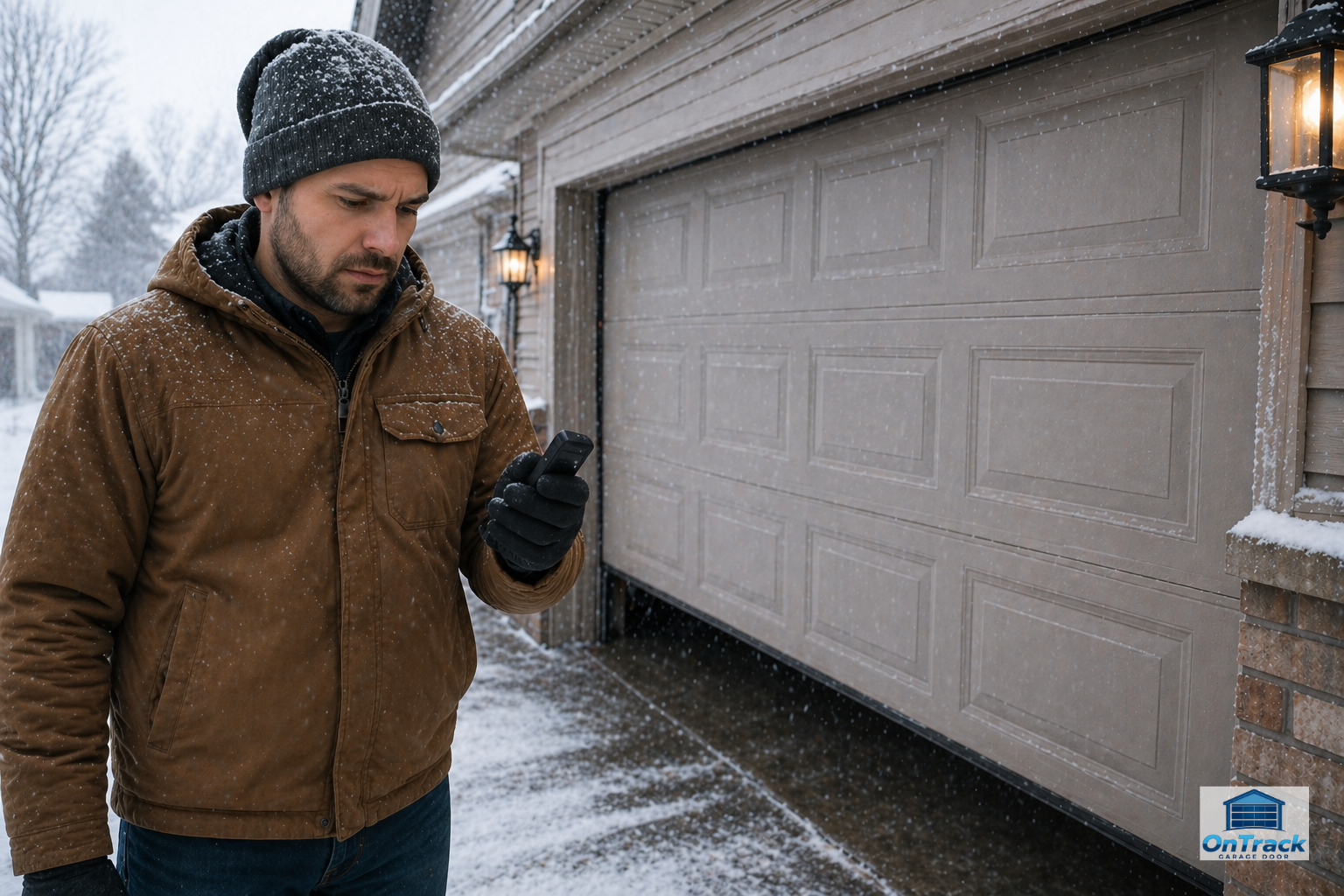
Some spring issues are pretty obvious. A loud metallic bang, a door that won’t open all the way, or one that drops suddenly are classic warning signs. You might also see a gap in a torsion spring or stretched coils on an extension spring.
Other signs include grinding noises or uneven movement. If you notice these, it’s best to stop using the door and get a professional to check it out. Our guide on how to tell if your garage door springs are failing dives deeper into these warning signs.
Performance Problems You Should Not Ignore
Sometimes the warning signs are subtle. The door might only rise partway and then reverse, feel heavier, or close too quickly. These usually mean there’s tension loss or imbalance in the spring system. If your opener has been compensating for a bad spring, it might start acting up, too.
According to safety advice from the garage door overview on Wikipedia, parts under tension need careful handling, especially when spring issues affect door balance. If your door isn't working right, don’t force it. Call a trained technician.
Why Professional Spring Service Is the Safest Choice
The Risks of DIY Repair
Garage door springs can be dangerous because they store a lot of tension. Trying to fix them without the right tools or know-how can lead to serious injury. Reports often mention injuries during DIY fixes gone wrong, and that’s why spring work is best left to the pros. Schedule a garage door repair rather than risk getting hurt or making things worse.
What a Technician Brings to the Job
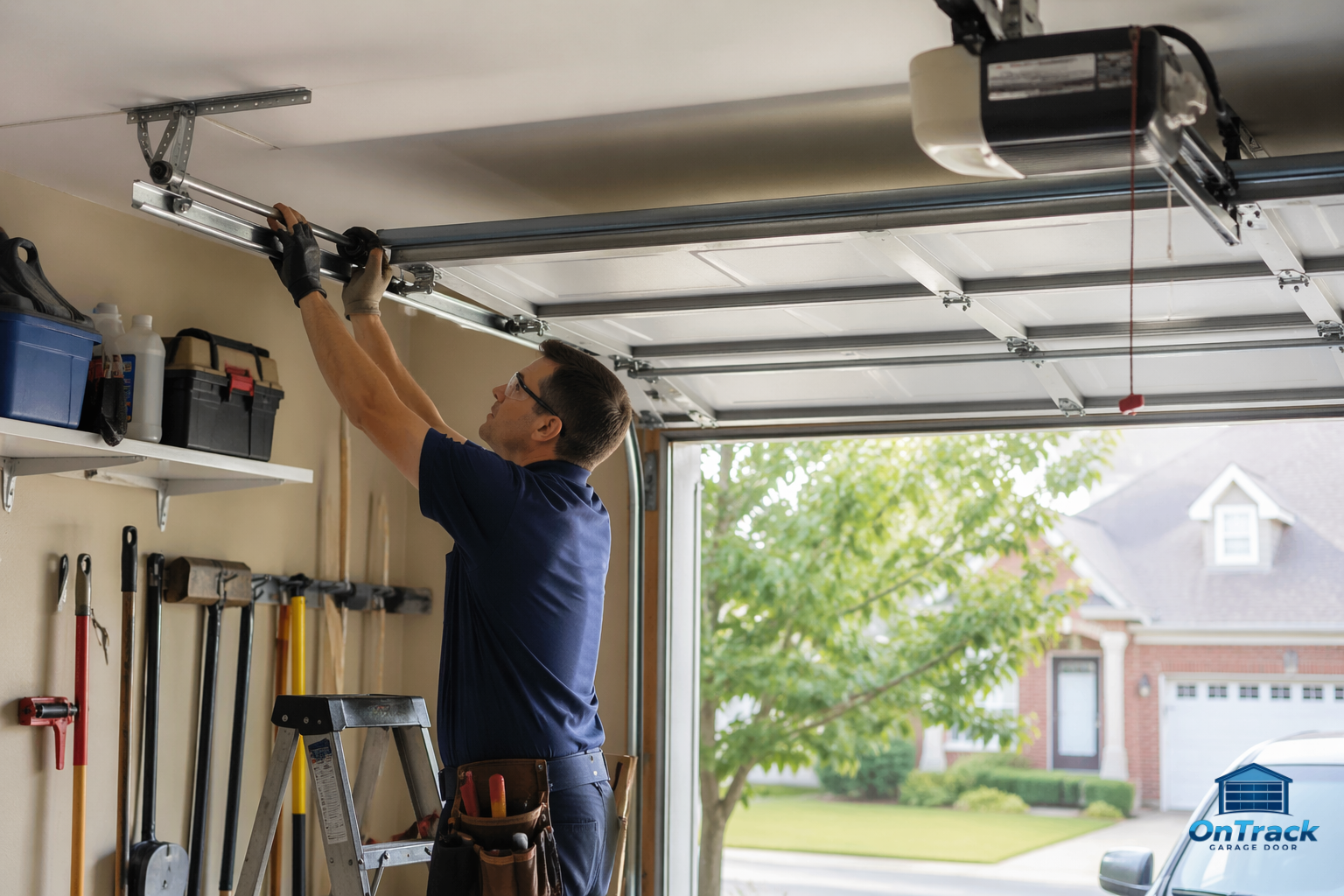
A trained technician can figure out whether it’s a broken spring, a misaligned track, or something else. This is important because spring failure might be part of a bigger issue. Replacing the wrong part can waste time and money.
Professionals also know how to size springs correctly for the door’s weight. A spring that’s too weak won’t support the door, while one that’s too strong can cause other issues. Proper calibration is why some folks pair spring service with garage door installation or a hardware update if the system is getting old.
Maintenance Best Practices That Extend Spring Life
Regular Inspection Habits
Quick visual checks can make a big difference. Look for rust, gaps in coils, frayed cables, uneven movement, and strange sounds. These don’t replace professional maintenance, but can alert you to problems before they escalate.
It’s also good to test your door’s balance now and then, but only if you know how to do it safely. If the door doesn’t stay put or feels heavy, stop and call a pro. For nearby homeowners, a local service visit can help because weather-related wear often shows up sooner on doors used a lot. If you’re considering upgrades, our garage door opener replacement service can help reduce strain on older systems.
Lubrication and Clean Operation
Lubricating moving parts is key, but it has to be done right. It’s recommended to apply lubricant to metal parts as needed and avoid over-greasing tracks. As mentioned in garage door maintenance discussions on Wikipedia, greasing the tracks can cause wheels to slide without turning, leading to other issues.
Keeping tracks clean is just as important as lubrication. The goal is smooth motion, not excessive slickness. During routine service, techs often check rollers, bearings, hinges, and spring hardware together since they work as one system. This approach is useful when a door starts feeling noisy or inconsistent.
Safety Cables and Hardware Upgrades
If your door uses extension springs, safety cables are a must. They help contain the spring if it breaks, reducing the risk of flying parts. Even if a system has been running for years, adding or updating this feature can greatly improve safety.
Higher cycle-rated springs are another key upgrade. Manufacturers are offering longer-lasting springs with better coatings and materials. These upgrades can reduce how often you need replacements, especially if you use the garage door several times a day.
How Local Conditions Affect Garage Door Springs in Philadelphia
Humidity, Salt, and Temperature Swings
Your local climate affects spring performance more than you might think. Humidity can speed up rust, while winter weather and road salt can corrode metal parts. Temperature changes can also affect door operation, especially in the cold.
In and around Philadelphia, spring maintenance should be part of your seasonal home care. A spring that might last longer in a dry environment can wear out faster in damp, changing conditions. Homeowners who schedule checks before winter and in spring often catch issues early. Our team also serves areas like Burholme, where weather and use can create maintenance concerns.
Commercial and Multi-Use Properties
Businesses often use garage doors more than homes, so spring wear happens faster. Warehouses and facilities with frequent deliveries might need stronger springs and more frequent checkups. A proactive maintenance schedule helps keep things running smoothly and safely.
Commercial property managers should also check door balance and opener strain. If the springs weaken, other parts could be stressed too. That makes spring service part of a larger plan to protect your investment, not just a quick fix for a broken door.
When Repair Becomes Replacement
Repairing a Single Spring vs. Replacing the System
Not every spring issue means you need a whole new garage door system. Often, you can replace a single damaged spring and get things working again. But if multiple parts are worn or the system has ongoing issues, replacement might be a better investment.
Techs usually check the springs, cables, rollers, hinges, and opener together. If several parts are nearing the end of their life, it might be more cost-effective to upgrade. This is especially true if you’re dealing with constant repairs or uneven performance. Sometimes, a mix of garage door replacement and new hardware offers the best result.
Choosing Higher-Cycle Components
One big trend in spring technology is the shift to higher-cycle components. These springs are built to last longer, which is great for busy homes and businesses. While they might cost more upfront, they often cut down on service calls and emergency repairs over time.
For property owners who want fewer disruptions, higher-cycle springs are a smart choice. They’re especially good for homes with multiple cars, heavy doors, or frequent deliveries. With proper maintenance, they can really extend the time between major repairs.
Frequently Asked Questions About Garage Door Springs
How do I know if my garage door spring is broken?
Look for signs like a door that won’t open, opens just a little, then drops, moves unevenly, or makes a loud bang. You might also see a gap in the spring or a door that feels much heavier. If you notice these, stop using the door and get it checked.
Can I replace the spring myself?
It’s not recommended. Garage door springs are under high tension, so the risk of injury is high. Pros have the right tools and know-how to do it safely.
How often should springs be inspected?
Once a year is a good start, but high-use doors might need more frequent checks. If you’re using the door several times a day or notice new issues, don’t wait for your annual checkup. Catching problems early can save you from bigger headaches later.
Why Garage Door Springs Matter for Safety, Value, and Convenience
Protecting Your Family and Property
Garage door springs might not be top of mind until they fail, but they’re crucial for safety. A broken spring can turn a daily convenience into a hazard. Keeping springs in good shape helps prevent injury, protects your stuff, and eases stress on the opener and other parts.
They also impact your home’s value. A garage door that works smoothly boosts curb appeal and shows your property is well-maintained. Planning a bigger exterior upgrade? Check out our article on how your garage door affects curb appeal.
Getting the Most from Professional Service
Pairing quality parts with skilled installation and regular care gives the best results. Whether you need urgent spring repair, routine maintenance, or a system check, working with a trusted team can save time and reduce risks. OnTrack Garage Doors helps keep your doors running safely and efficiently.
If you suspect spring issues, don’t wait for a full failure. Schedule an inspection, ask about cycle-rated replacements, and make sure the system works as it should. For reliable service in the Philadelphia area, contact OnTrack Garage Doors at ontrackgaragedoorpa.com or call 215-930-2922.
Call to action: Is your garage door noisy or refusing to open? Reach out for a professional check. A quick fix now can prevent a major breakdown later and keep your home running smoothly.