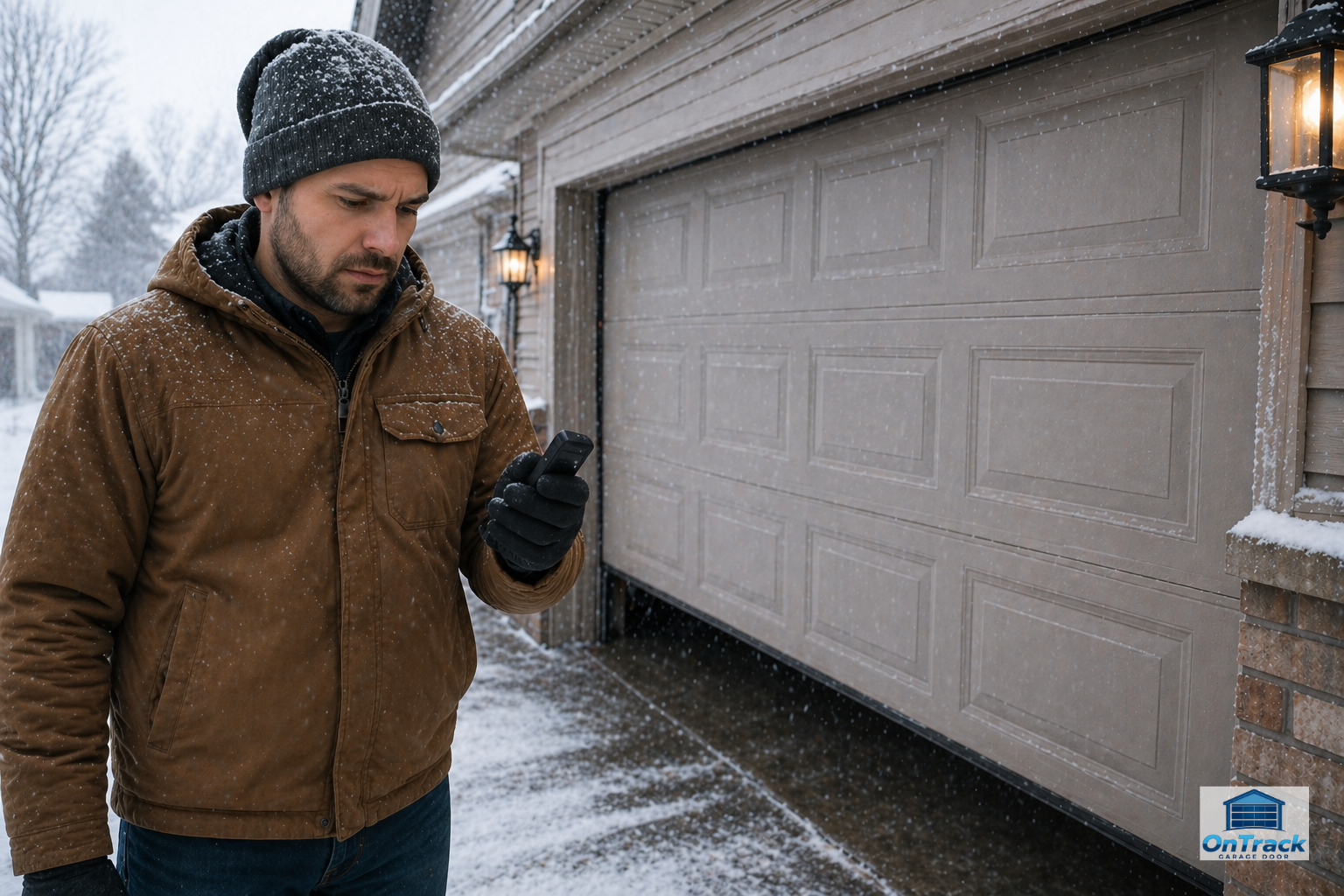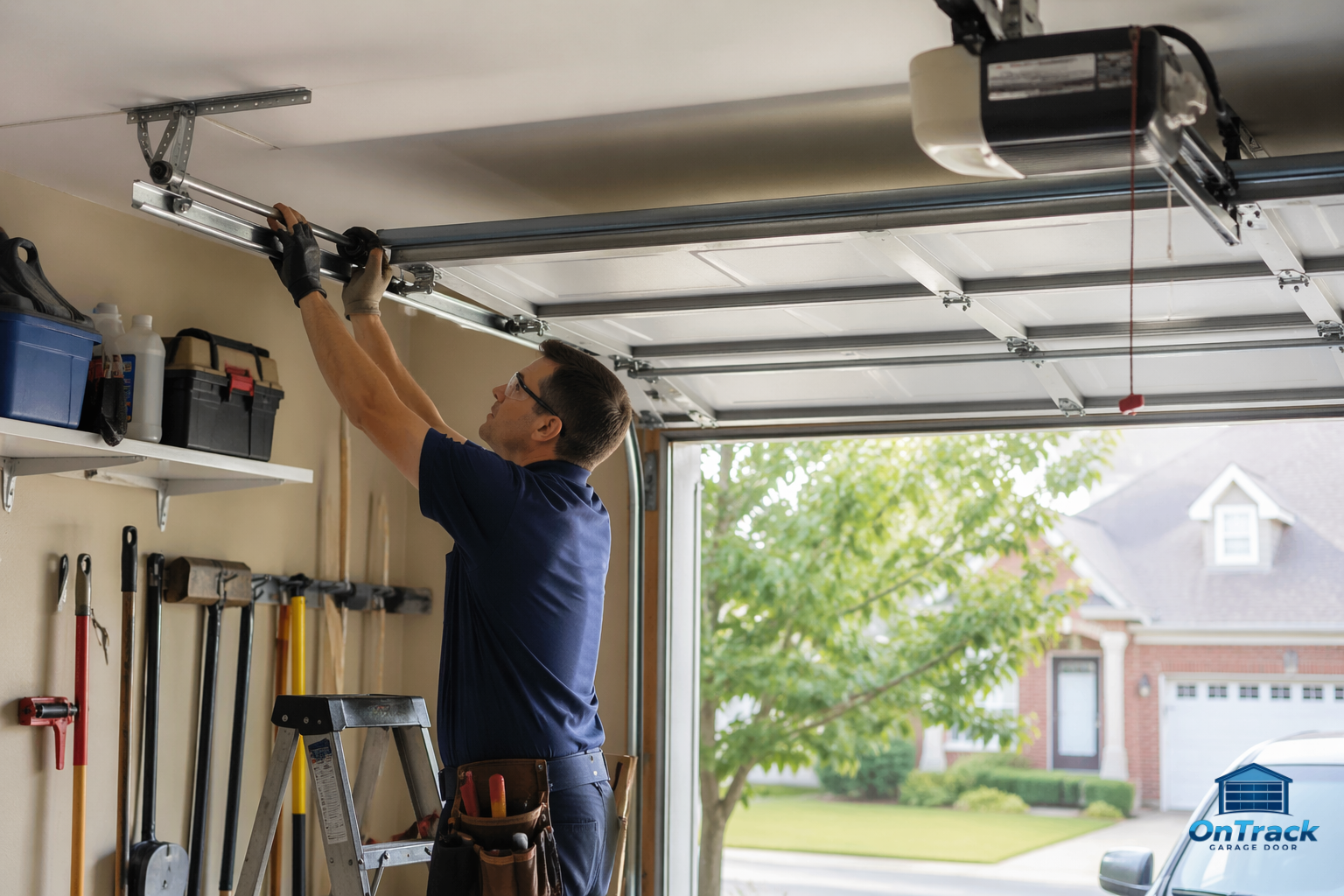
Garage door springs do a lot more than just help lift the door. They keep everything balanced and make sure it all works smoothly and safely. When they start to weaken, you might notice little things at first, like weird noises or a door that feels heavier. But those small signs can quickly lead to bigger problems. In this guide, you'll learn how to spot the signs of failing garage door springs, why these problems happen, and when it's time to call in the pros before it becomes a safety hazard. If you're already noticing issues, our garage door repair team is ready to check things out and find the right fix.
Recent reports show that spring failures are becoming more common as older garage systems reach the end of their lifespan. Most residential springs are built to last about 10,000 cycles, which usually means around 7–10 years for a typical household, depending on garage use. So, even a door that's been reliable for years might be due for a spring replacement because it's hit its mechanical limit. For more info on garage door safety and maintenance, the U.S. Consumer Product Safety Commission has helpful advice on avoiding injuries at cpsc.gov.
What Garage Door Springs Actually Do
The Role of Counterbalance in Daily Operation
Garage door springs are there to counteract the weight of the door, so you or the opener doesn't have to lift the whole thing by yourself. Without good springs, even a standard door can feel super heavy and be tough to move. This balance is why the door opens smoothly, closes safely, and stays put when partly open.
Torsion Springs vs. Extension Springs
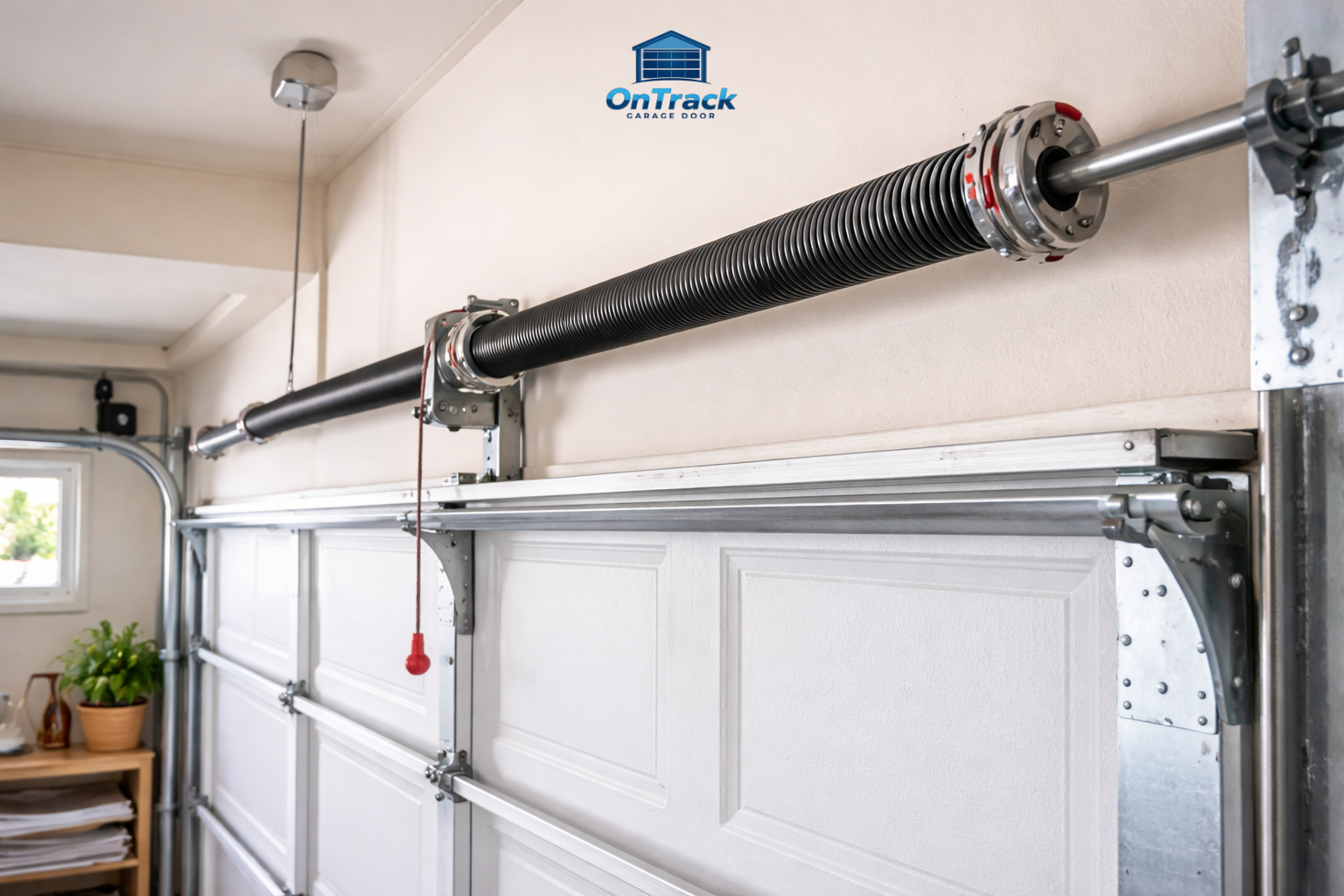
Most homes have either torsion springs above the door or extension springs along the tracks. Torsion springs are popular because they offer smoother motion and better control, while extension springs stretch and contract as the door moves. Both types hold a lot of tension, which is why fixing a broken spring isn't a DIY job. If you think your door needs more than just a spring repair, our garage door replacement service can help you decide if a partial repair or full upgrade is best.
Why Springs Wear Out Over Time
Every time you open and close the garage door, it puts stress on the metal. Over time, factors like weather and regular use wear down the springs, making them lose their ability to support the door. Studies and real-world experiences both point to older systems being a big reason for the increasing need for replacements, especially in homes built 10 to 20 years ago.
Warning Signs Your Garage Door Springs May Be Failing
The Door Feels Unusually Heavy
If your garage door suddenly feels a lot heavier, that's a big hint that a spring might be failing. You might notice this when you try to lift the door manually, or if the opener seems to struggle more than usual. Since springs are supposed to balance the door's weight, a heavy door often means the system is off-balance and needs checking.
Loud Popping, Snapping, or Grinding Noises
Sharp noises can be an early warning sign that the metal is wearing out. A torsion spring might make a loud snap when it breaks, and worn parts can create popping or grinding sounds before they fail. For example, a homeowner in Philadelphia reported loud popping noises, and the door only opened halfway before the spring broke. If your door is making strange sounds, a spring inspection along with garage door opener repair can reveal if the opener is working too hard due to a weak spring.
The Door Opens Unevenly or Jerks During Movement
A failing spring can cause the door to move jerkily or unevenly. Instead of sliding smoothly, the door might hesitate, shift to one side, or stop and start during movement. This often happens when one spring in a pair is weaker than the other, creating an unbalanced load that affects the whole door.
The Door Won’t Stay Open, or Only Opens Partially
If your garage door rises a bit and then stops, or only opens partway before falling back down, the springs might not be providing enough lift. This issue can seem like an opener problem, but it’s often due to a broken or stretched spring. When the door can’t stay open safely, get it checked out right away to prevent sudden closure risks.
Visible Gaps, Rust, or Stretching in the Spring
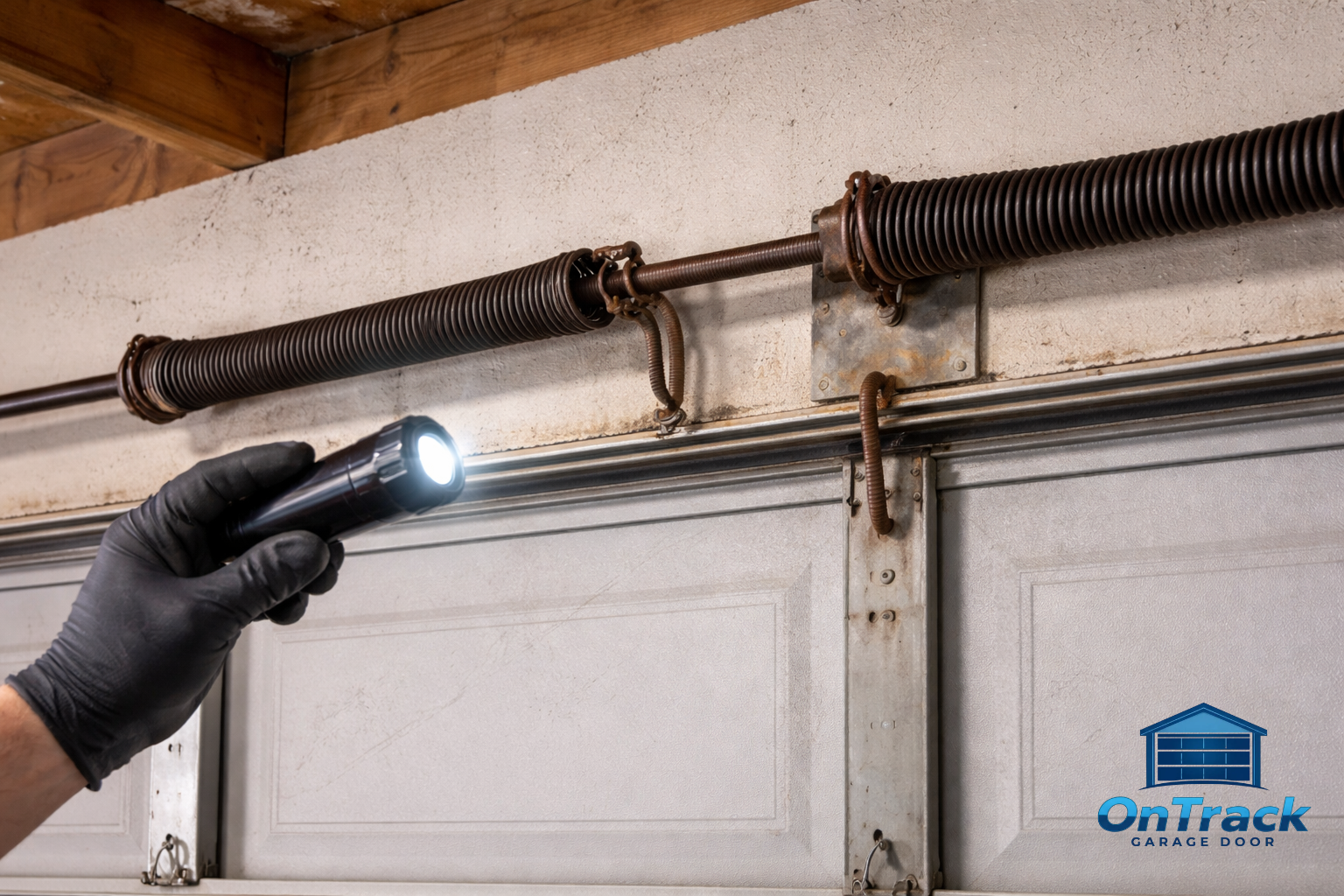
Physical damage is another clear warning sign. A broken torsion spring often leaves a noticeable gap in the coil, while extension springs might look stretched, distorted, or rusty. Rust weakens metal over time, and corrosion you can see might mean the spring has been deteriorating for months. Regular garage door maintenance can catch these issues early and help avoid costly emergency repairs.
Why Spring Failures Are Increasing
Aging Housing Stock and Cycle Fatigue
Reports suggest spring failures are on the rise across North America as older homes reach the end of their original spring system’s lifespan. It’s not surprising, considering many homeowners use the garage door several times a day, quickly using up the spring’s cycle limit. A door that opens four times a day can wear out a 10,000-cycle spring faster than you might think, especially in busy households.
Climate and Seasonal Stress
Weather plays a big role in how springs wear out. Cold winters can make metal brittle, while humidity and heat in the summer can speed up corrosion and lubrication breakdown. In places like Philadelphia, where seasonal changes are pronounced, these conditions can shorten the life of the spring system, which is why seasonal checks are so important for homeowners.
Heavy Daily Use and Modern Household Habits
Today’s families often use the garage as the main entry to the home, leading to more open-close cycles and more wear on the springs. Packages, school runs, work schedules, and multiple vehicles add to frequent use. As usage ramps up, the spring system experiences more stress, which often shows up first as slower movement or a door that seems less stable than before.
How to Inspect Garage Door Springs Safely
Visual Checks You Can Do from a Distance
You can do a basic visual inspection without touching the springs or hardware. Look for breaks, separated coils, rust, uneven positioning, or gaps in the spring assembly. Also, watch the door as it moves to see if it opens evenly, closes too quickly, or stops partway through the cycle. If something seems off, stop using the door and schedule a service rather than forcing anything.
What Not to Do During an Inspection
Never loosen, tighten, or remove a spring yourself. Springs have a lot of tension, and even a small mistake can cause serious injury or damage. Safety guidelines from occupational and consumer protection organizations suggest that only trained professionals should handle systems like garage door springs. If your inspection shows a broken part, it’s safer to contact a technician than to risk a DIY attempt.
When a Full Service Visit is the Right Call
If you see any visible break, hear repeated snapping sounds, or notice the door is harder to lift, it’s time to call for professional help. A technician can check the springs, cables, rollers, tracks, and opener to see if the issue is isolated or part of a bigger problem. Often, replacing a spring reveals wear on other hardware, too, so a full inspection is the best long-term fix. Our garage door service visit guide explains what to expect during a professional appointment.
Why DIY Spring Repair Is Dangerous
The Force Stored in the System
Garage door springs hold enough tension to lift a heavy door, meaning they store a lot of energy. If this energy is released unexpectedly, it can cause serious injury, damage tools, or even bend nearby hardware. This is why even experienced homeowners are usually advised not to attempt spring replacement without proper training and gear.
The Risk of Misdiagnosing the Problem
A garage door that won’t open might seem like a spring issue, but it can also involve the opener, cables, tracks, rollers, or safety sensors. Replacing the wrong part wastes time and money without solving the real problem. Professional techs know how to check the whole system and find the real issue before making repairs.
Why Professional Repair Protects the Rest of the Door
When springs are replaced correctly, the tech can rebalance the door, verify tension, and ensure the opener isn’t working too hard. That matters because a struggling opener often fails sooner when lifting a door with weak springs. For this reason, spring repair and garage door opener replacement sometimes go hand in hand when the system has been under strain for a while.
Maintenance Tips to Extend Spring Life
Schedule Regular Inspections
Routine maintenance is one of the easiest ways to extend spring life and avoid emergency breakdowns. A trained tech can check balance, lubricate moving parts, and spot early wear before a spring fails. If your garage door gets heavy use, an annual inspection is a smart move, and a semiannual check is even better for older systems.
Keep Parts Lubricated and Clean
Lubrication helps reduce friction, which lowers stress on the springs and related hardware. Dirt, dust, and corrosion can make parts work harder than necessary, shortening their lifespan. The goal is not to make the parts oily or messy, but to ensure smooth movement and reduce metal-on-metal wear over time.
Reduce Unnecessary Strain on the System
Try not to use the garage door as a substitute for a front door unless that’s really how your household operates. Fewer cycles generally mean less wear, and small changes can have a big impact over the years. If the door keeps sticking or dragging, arranging garage door installation or a system upgrade might be more cost-effective than constantly patching up worn hardware.
When Spring Problems Mean It’s Time to Repair or Replace
Repair is Appropriate for Isolated Damage
Sometimes, one broken spring can be replaced without needing major additional work. This is especially true when the rest of the system is in good shape, and the door panels, tracks, and opener are working fine. A straightforward spring replacement restores balance quickly and can get the door back to safe operation the same day.
Replacement Makes More Sense for Older Systems
If the springs are old, heavily rusted, or part of an outdated setup, full replacement might be the better investment. Older systems often develop chain-reaction problems, where one worn part leads to extra strain on others. That’s why homeowners with aging doors often benefit from a broader evaluation that includes the hardware, opener, and overall door condition.
How Preventive Planning Saves Money
Waiting until spring break can increase costs because emergency services, collateral damage, and temporary access issues might all come into play. A planned replacement is usually easier to schedule, less stressful, and more budget-friendly than an after-hours breakdown. To see how regular upkeep affects long-term expenses, check out our guide on saving money with garage door maintenance.
A Philadelphia Example: What a Failing Spring Looks Like in Real Life
The Warning Signs Before the Break
A homeowner in Philadelphia noticed the garage door was getting louder over several weeks and sometimes stopped halfway up. At first, it seemed minor, but soon the door started opening unevenly, and the opener struggled. When the spring finally snapped, the door wouldn’t open fully, and the homeowner knew it was time for immediate professional help.
The Repair and Result
After inspection, the tech confirmed the torsion spring had failed from metal fatigue. The spring was replaced, the door was balanced, and everything went back to normal. This kind of case is common because springs often give subtle warnings long before they completely fail, and homeowners who act early usually avoid bigger headaches.
What This Example Teaches Homeowners
The biggest takeaway is that small changes matter. Noisy operation, partial opening, and a door that feels heavier shouldn’t be dismissed as normal aging if they appear together. Addressing the problem early can prevent more damage to the opener, cables, and other hardware.
Frequently Asked Questions About Garage Door Springs
How Long Do Garage Door Springs Last?
Most residential springs last around 10,000 cycles, which is often about 7–10 years for the average homeowner. However, lifespan depends on door weight, climate, maintenance, and how often the garage is used. If your spring system is older than that range, it’s wise to have it inspected even if no failure has occurred yet.
Can I Still Open the Door If a Spring Breaks?
You might be able to open it manually in some situations, but it will be extremely heavy and unsafe to operate. The opener may also fail or be damaged if it’s forced to lift a door without spring support. For safety reasons, it’s best to stop using the door and arrange service immediately.
Should Both Springs Be Replaced at the Same Time?
If your door uses a matched pair, replacing both springs is often recommended because they typically wear at similar rates. Doing so can create more even performance and reduce the chance of one spring failing soon after the other. A technician can tell you whether both springs should be replaced based on age, wear, and system design.
How Do I Know If the Problem Is the Spring or the Opener?
A garage door opener problem usually involves motor issues, sensor errors, or remote control problems, while spring problems often show up as a heavy door, loud snap, or uneven movement. If the opener runs but the door barely moves, the spring is a likely culprit. Because the two systems affect each other, professional testing is the safest way to confirm the source of the issue.
How OnTrack Garage Doors Helps Homeowners Stay Safe
Fast Diagnosis and Reliable Repair
At OnTrack Garage Doors, we help homeowners identify spring issues quickly and accurately so they can restore safe operation without guesswork. Our technicians work with torsion springs, extension springs, and related garage door hardware to ensure the full system is functioning properly. If your door has stopped working or is showing warning signs, our garage door repair service is designed to get your home back on track.
Comprehensive Service for the Whole Door System
Spring failure often reveals other wear points, which is why our approach looks beyond one broken part. We inspect balance, cables, rollers, and opener performance so the repair is durable, not just temporary. When a door needs more extensive work, our team can also advise on garage door replacement options that improve safety and long-term value.
Preventive Care for Long-Term Peace of Mind
Regular maintenance is one of the most effective ways to avoid unexpected spring failure and extend the life of your garage system. If you want fewer surprises, smoother operation, and better protection for your home, scheduling seasonal service is a smart next step. For dependable help in Philadelphia, PA, OnTrack Garage Doors is ready to provide professional inspections, repairs, and maintenance tailored to your home’s needs.
Final Thoughts: Don’t Wait for a Complete Failure
Failing garage door springs rarely go from perfect to broken without warning. More often, they send a series of small signals: unusual noise, heavier operation, partial opening, uneven movement, or visible wear. Paying attention to those clues gives you time to act before the system becomes unsafe or the repair becomes more expensive.
If your garage door has started acting differently, the safest move is to stop testing it and have it inspected by a professional. Timely spring replacement protects your opener, reduces the risk of injury, and keeps daily routines moving smoothly. To request service or speak with a technician, visit OnTrack Garage Doors and take the next step toward a safer, more reliable garage door system.