What to Expect During a Garage Door Service Visit
Scheduling a garage door service can be a bit nerve-wracking if you're unsure of what to expect. Whether your door is acting up, the opener isn’t responding, or you're just being proactive with maintenance, being prepared can make everything smoother. This guide will walk you through the process from setting up the appointment to the follow-up—so you know what's happening, why the technician might do certain things, and how to make the visit easier and more cost-effective.
1. Scheduling and Arrival: Your First Steps
Setting Up Your Appointment
When you call or book online, they’ll ask for some basic info: your opener’s make and model if you know it, what's going on with the door, and when you're available. If you can, send a few photos or a short video of the door and the problem. This helps the tech know what tools and parts to bring. At On Track Garage Door, we recommend sharing images when you book, so we come ready for the most common issues and can give a more accurate time estimate.
When the Technician Arrives
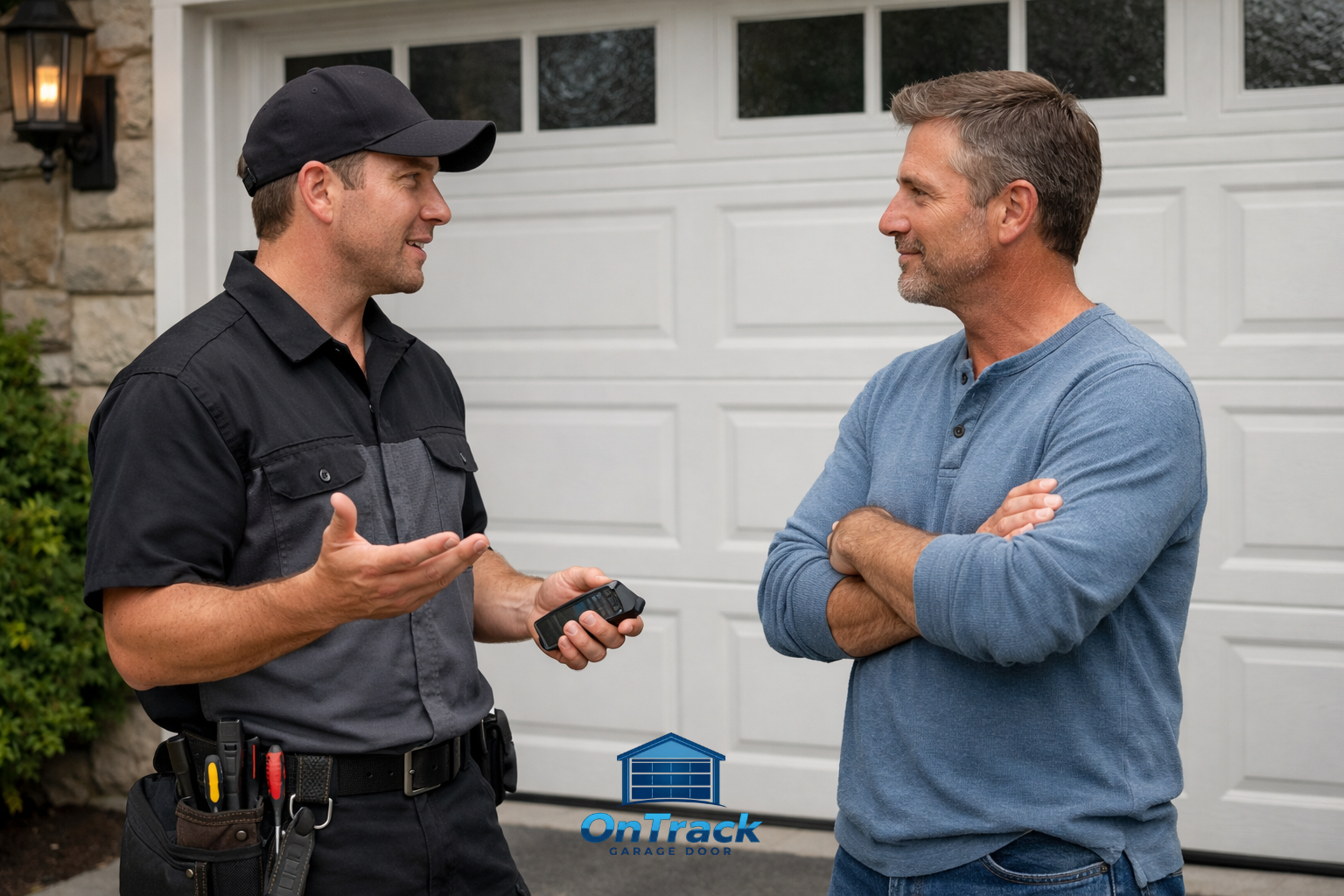
The technician will usually show up in a marked vehicle with all the tools, parts, and safety gear they need. They’ll introduce themselves, confirm the problem you mentioned, and do a quick safety check before starting. This means looking for immediate dangers like frayed cables or loose parts. If there’s something urgent, they’ll explain what needs to be done and might secure the area before getting to work.
Visit Timeline and Transparency
A typical visit for a check-up and minor repairs can take anywhere from 45 minutes to two hours, depending on how complicated things are. The tech should tell you upfront how long it’ll take and whether it can be fixed that day. If they need bigger parts, they’ll let you know your options: same-day replacement if possible, ordering parts for later, or a temporary fix. For opener issues, many folks choose our garage door opener repair services, which often solve power or sensor problems quickly.
2. Pre-Visit Checklist: Getting Ready at Home
Clear the Workspace
Move cars and clutter out of the driveway and garage area so the tech has clear access. Get toys, bikes, and stored boxes out of the way; this speeds things up and reduces the chance of damage. If you have delicate equipment or a home gym in the garage, consider moving fragile items to another spot before the visit.
Gather Important Documents
Find your garage door or opener manual, previous repair receipts, and warranty papers if you have them. If you have a smart opener, know the model and any recent error messages. Giving these details at the start helps the tech quickly identify known issues and skip redundant steps. If you don’t have the paperwork, a quick photo of the opener label or serial number usually works.
Keep Pets and Kids Safe
Keep pets and kids out of the work area during the visit. The tech needs space to move around, and they might run tests that could startle or hurt a curious pet or child. Also, let the tech know if there are elderly household members who might be affected by temporary service interruptions, like disabling remote access during repairs.
3. The Diagnostic Process: What Technicians Check
Visual and Mechanical Inspection
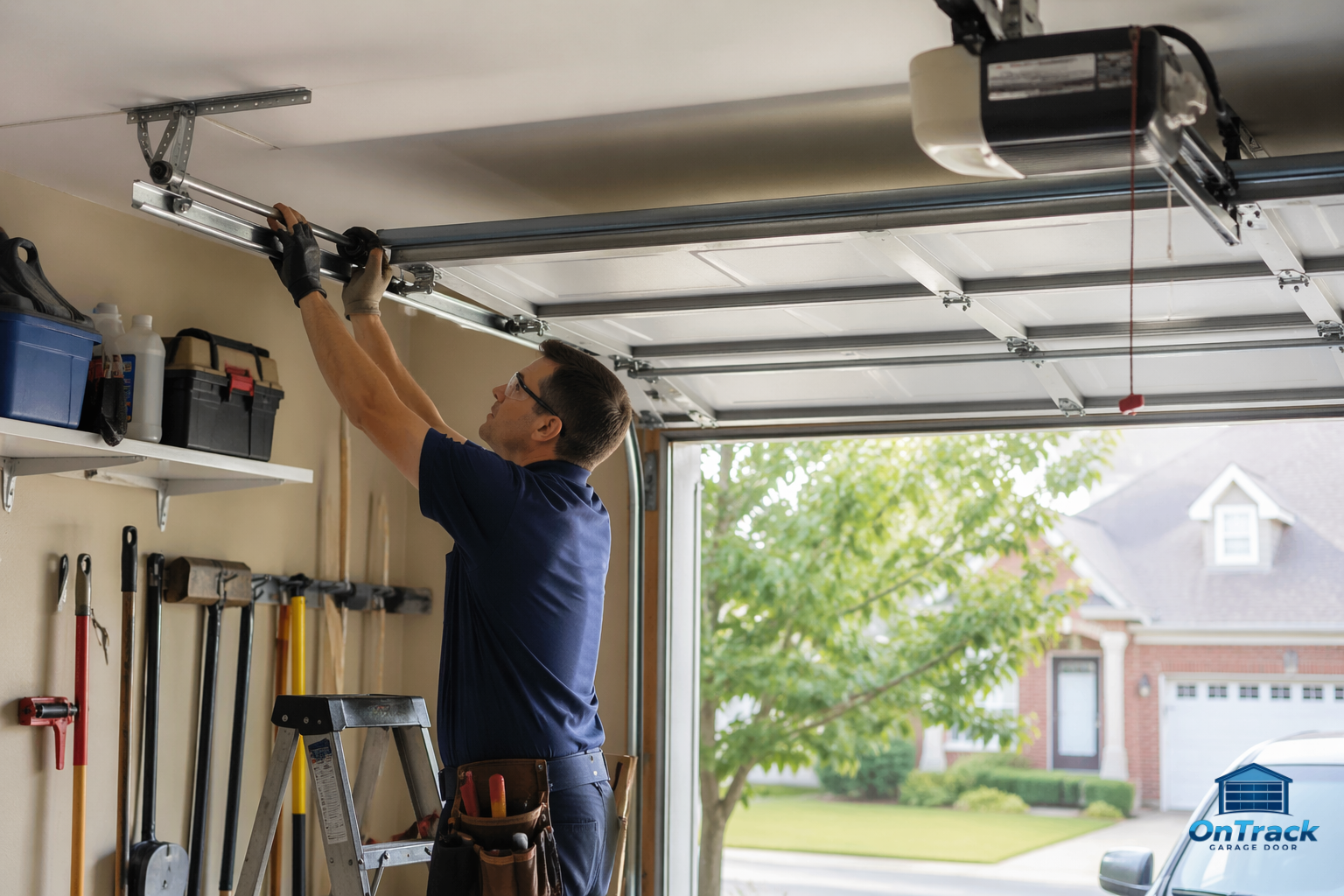
The tech starts with a visual check of tracks, rollers, springs, cables, hinges, and panels. This helps spot obvious issues like broken springs or bent tracks. They’ll then do manual tests to check balance and tension. Proper balance means the opener doesn’t work too hard, preventing early wear on parts.
Smart Diagnostics and Tools
Many techs now use smart diagnostic tools and mobile apps to log symptoms and compare them against databases of known problems. These tools can speed up diagnosis and reduce misidentifications. Industry surveys show growing use of diagnostic tech, improving first-visit fixes, and reducing unnecessary part changes. When used right, these tools help techs offer a more precise repair plan and cut down on return visits.
Safety Sensor, Opener, and Electrical Testing
They’ll test safety sensors and opener functions, checking reversal systems, remote controls, wall switches, and battery backups in smart openers. Electrical checks include inspecting wiring, motor behavior under load, and control board diagnostics. If sensors fail alignment, the tech will recalibrate or replace them. For ongoing electrical issues, they might suggest replacing the opener or certain electrical parts.
4. Common Repairs Explained
Broken Springs and Cable Issues
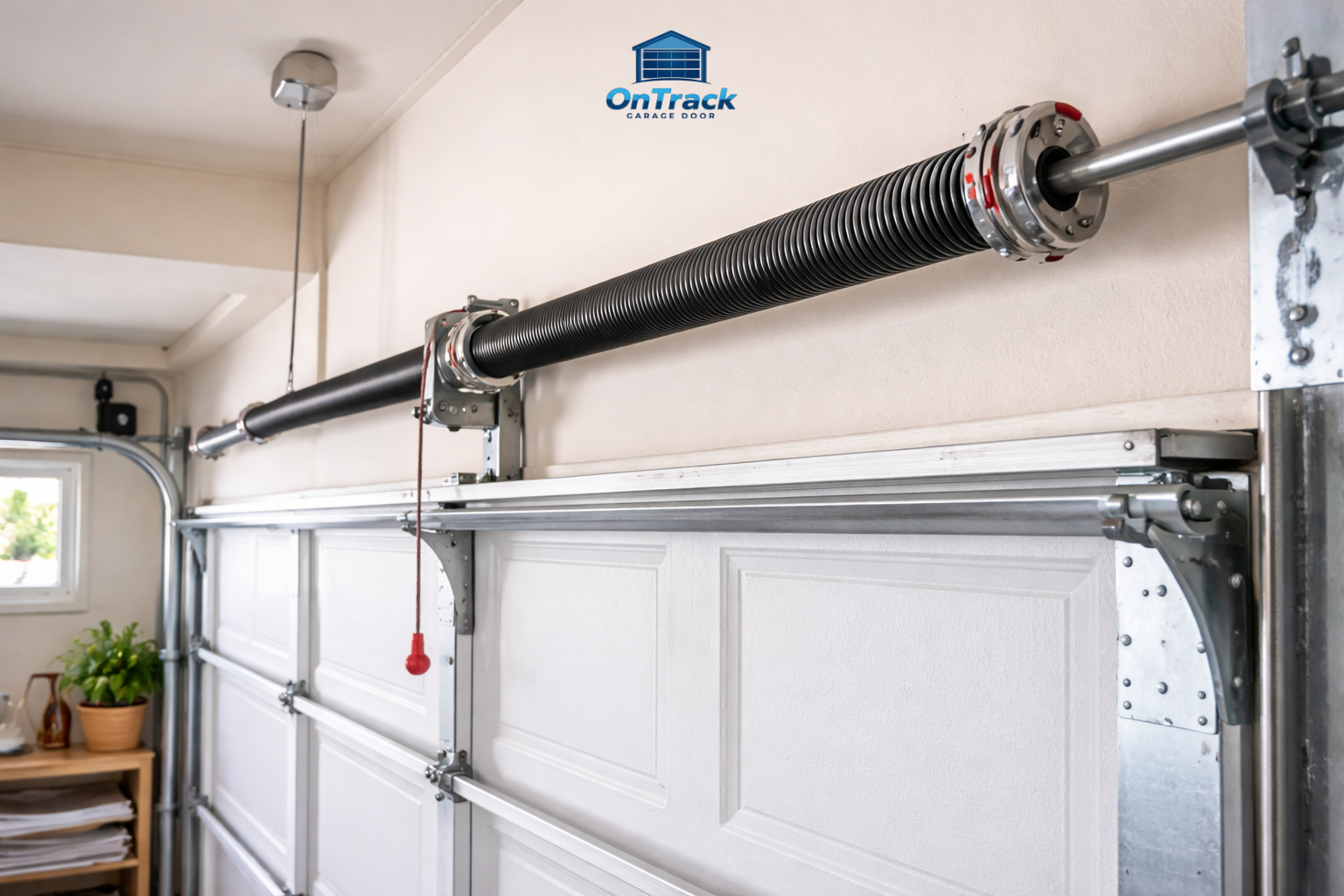
Broken torsion or extension springs are common and dangerous. Springs are under extreme tension and should only be handled by pros. Repair involves removing the damaged spring and replacing it with a correctly rated one, then adjusting the tension. Techs will also inspect cables and drums and replace any frayed or worn parts to avoid repeat problems.
Opener Repairs and Replacements
Opener issues can range from sensor misalignment to motor failure. Minor fixes like sensor cleaning or remote reprogramming can often be done on the spot. For motor or control board failures, your tech will explain replacement options, energy-efficient upgrades, and trade-offs between belt, chain, and screw drive openers. If a replacement is needed, On Track Garage Door offers both repair and installation options to fit your budget and performance needs.
Track Alignment, Rollers, and Panel Repair
Bent tracks, worn rollers, and damaged panels affect smooth operation and security. Track realignment and replacing seized or worn rollers often restore functionality without full replacement. If panels are significantly dented or rusted, techs will advise on repair versus replacement based on cost, door model, and the door’s remaining lifespan. Proper lubrication and routine checks reduce the chance of these problems recurring.
5. Maintenance Plans and Subscription Services
What Maintenance Plans Include
Subscription-based maintenance plans have become popular, offering scheduled inspections, discounted repairs, and emergency support. Common inclusions are quarterly inspections, component lubrication, safety tests, and priority scheduling for emergency calls. Homeowners often find that routine preventive maintenance cuts down annual repair costs and extends door lifespan by reducing wear on moving parts.
Cost Savings and Real-World Results
Data from industry case studies show regular maintenance can extend a garage door’s life by 25–30% and significantly reduce emergency repairs. A local homeowner in Philadelphia reported a 30% drop in annual repair expenses after joining a subscription plan that included quarterly inspections and priority emergency response. These programs provide predictable costs and peace of mind, especially for busy households or properties with heavy garage use.
When to Consider a Plan from a Professional Provider
If your household uses the garage door multiple times per day, or if the door is older than a decade, enrolling in a maintenance plan is recommended. A plan is also valuable if you have a smart opener with integrated security features that require regular checks and battery backups that need testing. For homeowners looking for reliable preventative care, a professional plan often pairs well with a scheduled installation or upgrade when the door reaches the end of its serviceable life.
6. Seasonal and Local Considerations for Philadelphia Homeowners
How Winter Weather Affects Garage Doors
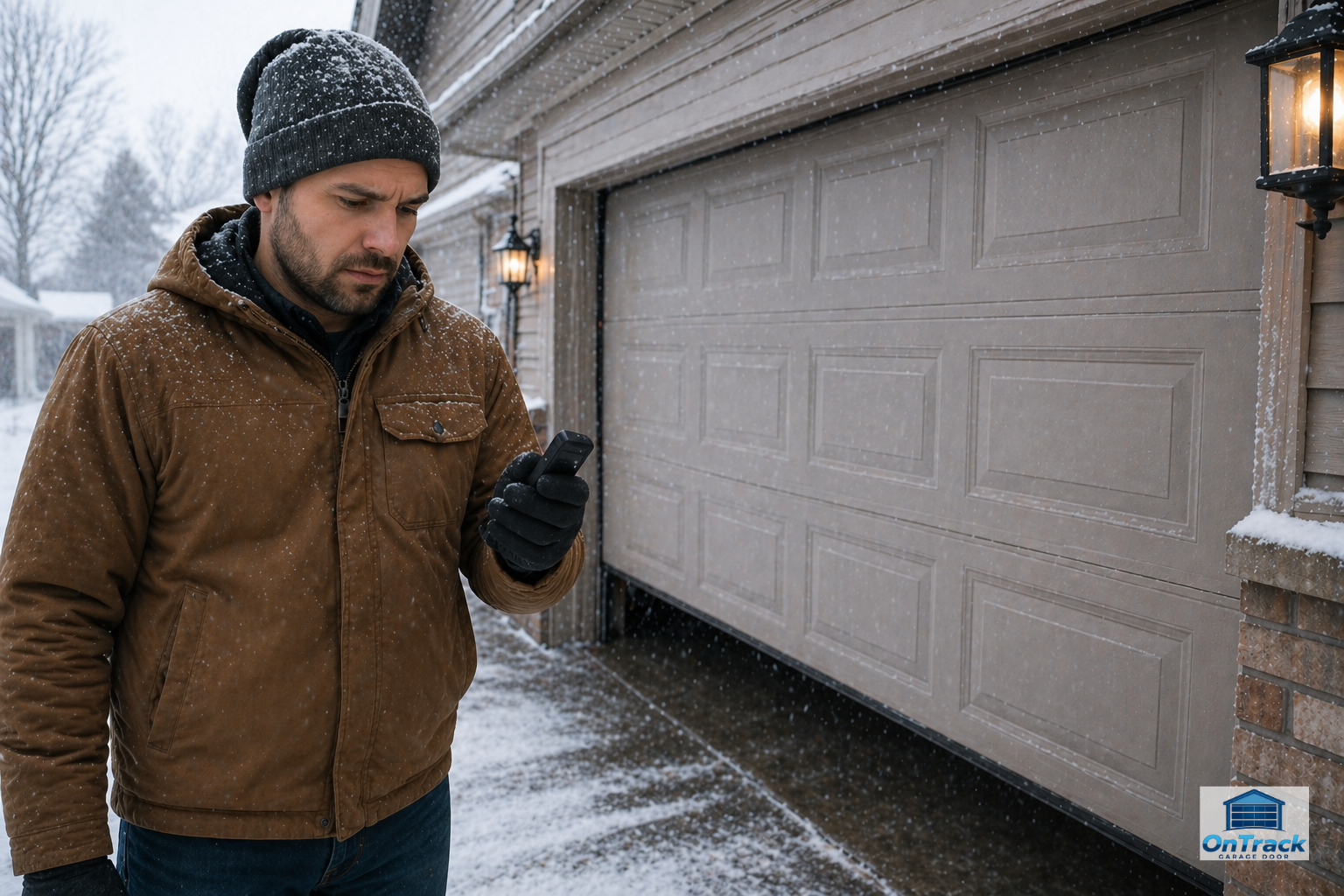
Philadelphia winters can bring freezing rain, ice, and heavy snow that mess with tracks and sensors. Ice build-up can make the door stick, and metal parts can contract, changing tension on springs and cables. Techs will check for water intrusion, corrosion, and lubricant breakdown that speeds up wear. Your service visit might include tips for weather seals, insulation upgrades, or temporary workarounds to cut down winter-related failures.
Summer Heat and Wood Door Maintenance
In summer, heat and humidity can cause wooden doors to warp and finish coatings to degrade. This impacts sealing and alignment and may create gaps that let in pests or drafts. Techs will look for signs of warping and suggest fixes like refinishing, replacing weatherstripping, or recommending alternate materials if seasonal movement is a problem.
Local Service Availability and Emergency Response
Philadelphia homeowners benefit from many providers that offer 24/7 service, but response times vary. When choosing a service, consider providers with a local stock of common parts and a reputation for fast emergency response. On Track Garage Door focuses on prompt arrival and clear communication, and can dispatch techs equipped to handle the most urgent repairs during a single visit.
7. Choosing the Right Service Provider and Technician
Certifications, Training, and Professional Organizations
Look for techs who are certified or affiliated with professional organizations, which often require ongoing training and adherence to safety standards. The International Door Association provides consumer resources to verify qualified professionals and helps homeowners identify reputable contractors. Checking certifications offers assurance that the tech follows industry best practices and safety protocols.
Warranties, Parts Quality, and Transparent Pricing
A reputable service provider should offer clear, written estimates and explain parts warranties. High-quality replacement parts may cost more initially but can improve longevity and reduce repeat visits. Always ask about warranty coverage for labor and parts, and make sure any price quoted includes potential diagnostics fees and clear terms for additional work that may be recommended after initial inspection.
Technician Shortages and What It Means for Homeowners
The home services industry is experiencing a shortage of skilled techs in many regions, which can affect scheduling and service speed. This gap highlights the importance of booking routine maintenance early and selecting providers that invest in training and staff retention. Providers that focus on technician development are more likely to deliver consistent, high-quality service and fewer follow-up visits.
For more detailed tips on why regular hardware inspections matter and how they protect your family, review our resources on preventative care and safety. Regular checkups often prevent larger issues and protect the structural integrity of your garage system.
8. Pricing, Estimates, and Decision Points
How Technicians Estimate Costs During a Visit
After diagnosing the issue, the tech will present options, such as repair, temporary safety fixes, or replacement. Estimates should include labor, parts, warranties, and potential additional charges. If a repair is chosen, your tech will explain the expected lifespan after the repair and any maintenance steps to maximize longevity.
Repair Versus Replacement: How to Decide
Deciding between repair and replacement depends on the extent of damage, door age, performance goals, and budget. If repeated problems occur or multiple components are failing, replacement may be the more cost-effective long-term choice. Techs will provide comparative estimates and explain the benefits of newer, energy-efficient doors and smart openers that reduce energy loss and provide improved security features.
Financing and Payment Options
Many providers offer financing or payment plans for significant replacements or upgrades. Ask about available options, down payments, and terms during the service visit if you are considering an upgrade. Transparent pricing and flexible payment solutions help homeowners make timely, safety-based decisions without unexpected financial strain.
9. Frequently Asked Questions and Troubleshooting Tips
How Do I Know if My Garage Door Needs Repair?
Signs include unusual noises, jerky or uneven movement, slow operation, the door failing to respond to controls, or visible damage to springs, cables, or panels. If you notice any of these symptoms, schedule a professional inspection promptly. Minor issues like remote battery replacement or lubrication can be handled at home, but anything involving springs or cables should be left to a qualified tech for safety.
What Simple Steps Can I Take Before the Technician Arrives?
Test the remote and wall switch to confirm the symptoms, remove obstructions from the tracks, and take photos of visible damage to share with the dispatcher. This information helps the tech prepare and possibly bring replacement parts on the first visit. Also, have a clear area for the tech to work, and consider unplugging any sensitive electronics in the garage during testing if wiring issues are suspected.
Can I Attempt DIY Repairs Safely?
Small maintenance tasks like lubricating rollers, tightening loose bolts, and replacing remote batteries are often DIY-friendly. However, repairs involving springs, cables, or internal opener components are dangerous and should not be attempted by untrained individuals. When in doubt, wait for a professional to avoid injury and additional damage to the system.
10. After the Visit: Follow-Up, Documentation, and Preventive Steps
What Paperwork and Warranties to Expect
After the work is complete, the tech should provide an itemized invoice detailing labor and parts, any warranty terms, and recommended follow-up steps. Keep this documentation in a safe place for future reference and to support warranty claims if components fail prematurely. Good records also help future techs diagnose recurring issues quickly.
Setting a Preventive Maintenance Schedule
Ask the tech to recommend a maintenance schedule based on your door’s age, usage, and local climate conditions. Many homeowners benefit from quarterly or semi-annual checks to maintain optimal performance. Signing up for a maintenance plan streamlines scheduling and often delivers discounts on parts and labor when repairs are needed.
When to Call for a Follow-Up or Emergency Service
If the door shows persistent problems after the visit, like sudden noise changes, sagging, or electrical faults, contact your service provider immediately. Emergency services are appropriate when the door is stuck in an unsafe position, there are exposed broken cables, or if the opener fails in a way that compromises home access or security. On Track Garage Door offers timely follow-up and emergency response for situations that require immediate attention.
For more resources on maintaining your garage door and to learn how routine care can save you money over time, read our detailed guide on maintenance savings and prevention strategies here.
Conclusion: What Good Service Looks Like and Next Steps
A professional, efficient garage door service visit is transparent, safe, and solutions-focused. Techs should perform a full diagnostic, explain options clearly, present written estimates, and offer repair or replacement recommendations with warranty information. Regular maintenance and choosing certified professionals improve safety, reduce long-term costs, and keep your garage functioning smoothly through seasonal changes.
If you need help, whether it's an urgent malfunction or a planned upgrade, On Track Garage Door provides expert service across Pennsylvania and can assess your needs during a scheduled visit. For fast repairs, contact our team for garage door repair or to address opener issues. Schedule an appointment for opener repair. If your door is nearing the end of its usable life, we offer guidance and professional installation learn more about upgrading with a trusted provider by visiting our installation page here.
Considering a replacement? We provide transparent quotes and quality options that fit your home’s needs—explore replacement choices with On Track Garage Door when you're ready here. Whether you're preparing for a tech visit or planning an upgrade, having the right expectations will always lead to a better outcome.
Additional authoritative resources and safety standards can help you make informed decisions. The International Door Association offers consumer resources for finding qualified professionals and understanding industry practices (IDA consumer resources). For guidance on home energy efficiency and insulation benefits relating to insulated garage doors, consult the U.S. Department of Energy’s resources on home energy efficiency (energy.gov insulation guidance). For general background information about garage door systems, check out the overview on Wikipedia (Garage door — Wikipedia).
Ready to set up a service visit or have questions about what your home needs? Contact On Track Garage Door today at 215-930-2922 or email ontrackdoorsus@gmail.com. We’re based at 8847 Bluegrass Rd, Philadelphia, PA 19025, and committed to safe, honest, and reliable garage door care year-round. Book a visit and take the uncertainty out of garage door maintenance and repair.
Call to action: Don’t wait for a minor issue to become an emergency schedule your diagnostic appointment now and keep your garage door running smoothly and safely.