Why Regular Garage Door Hardware Inspections Matter for Home Safety
Garage doors aren't just about looks; they're a big part of your home's safety and convenience. With more and more families using the garage as the main way in and out, keeping it in top shape is super important. In this article, we’ll dive into why checking your garage door hardware regularly is a smart move. We’ll cover the latest trends, offer practical tips and schedules, and help you know when to call in the pros. You'll find steps you can take on your own, when professional help is a must, and how these checks can prevent injuries, security issues, and expensive fixes.
If you want to understand more about how garage doors work, check out this general resource on garage door systems. It'll help you get a picture of the parts you need to keep an eye on during your monthly checks. Whether you're handling the basics yourself or planning to hire a professional, this article will guide you through maintaining your garage door safely and effectively.
How Garage Doors Impact Home Safety
Garage Doors as Primary Entry Points
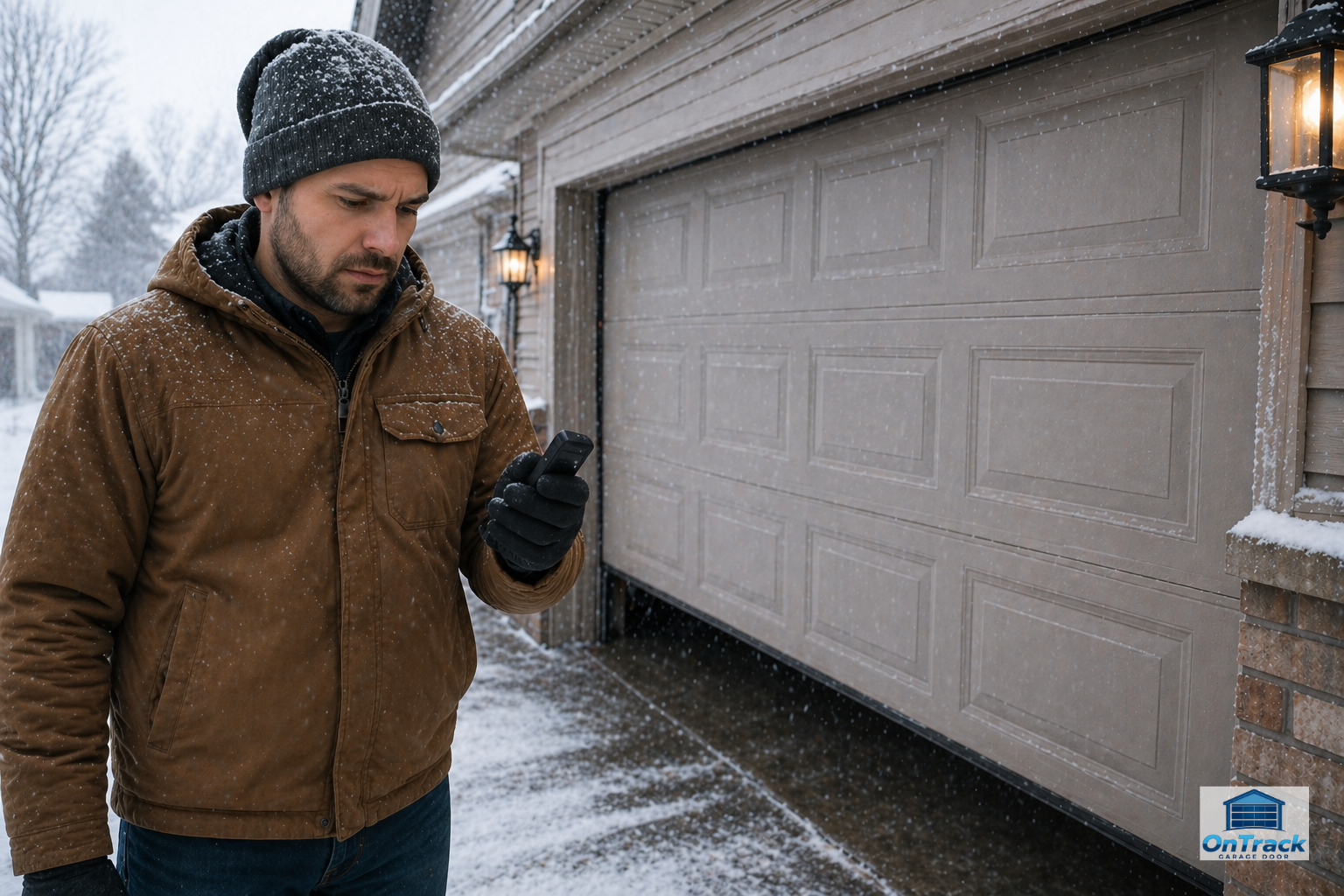
These days, many people use their garage as the main entrance to their home. This means the garage door's reliability is crucial for daily life and home security. Imagine if your garage door malfunctions during a storm or when you’re getting home late at night—it could lock you out or leave your home open to intruders.
To keep things running smoothly and safely, it’s vital to make sure the springs, cables, rollers, tracks, and openers are in good condition. Regular inspections can help you catch issues early on before they turn into major problems that could compromise your main entry point.
Mechanical and Security Risks
If your garage door hardware fails, it poses both mechanical and security risks. A broken spring or frayed cable might cause the door to fall suddenly, risking injury or damaging your car. At the same time, gaps or broken seals can make it easier for someone to break in.
Keeping an eye on the condition of your hardware is essential. Tighten loose bolts, make sure everything's balanced, and ensure that sensors and locks work properly. To keep your home secure and avoid liability issues, set up a regular inspection routine.
Statistics That Highlight the Need for Inspections
Statistics show garage door incidents are a public safety issue. Reports document thousands of injuries related to garage doors each year in the U.S., underscoring how often mechanical failures lead to accidents. This data makes it clear why preventive maintenance is crucial.
Additionally, studies reveal that many residential burglaries involve garages left unsecured or with weak points. This highlights the link between solid hardware maintenance and overall home security, both of which improve with regular inspections.
Inspection Frequency and Routines
Monthly Visual Inspections
Experts suggest doing a quick visual inspection each month to catch problems early. Look for loose or missing parts, worn rollers, frayed cables, and any obvious damage. These checks are easy, cheap, and effective for spotting issues that need more attention.
Also, test the door’s balance and operation by opening and closing it a few times. Listen for odd noises or hesitations. These routine observations help you notice changes over time and call for repairs before small problems turn into bigger ones.
Quarterly Maintenance Tasks
Every three months, add some basic maintenance tasks to your routine. This might include lubricating moving parts, tightening screws, and checking that sensors and auto-reverse features work correctly. Regular lubrication reduces friction, which helps parts last longer.
Doing these tasks quarterly also helps catch small issues early, making repairs easier and cheaper. If you’re doing it yourself, use recommended lubricants and follow the manufacturer’s guidelines to avoid damaging any parts.
Annual Professional Tune-Ups
At least once a year, get a pro in for a thorough safety and performance check. They can safely test and adjust high-tension parts like springs and cables, evaluate the opener’s electronic components, and check for hidden wear. These annual tune-ups are important because some dangerous parts need special tools and skills that aren't safe for DIYers.
During a professional visit, they’ll often do a full safety check, replace any worn parts, and provide a detailed report. Scheduling this service annually helps ensure safe operation and can be useful for insurance or selling your home.
What to Include in a Garage Door Hardware Inspection Checklist
Exterior and Panel Condition
Start every inspection by checking the door panels, weather seals, and exterior hardware for visible damage. Look for dents, rust, gaps in weatherstripping, and corrosion around fasteners. Fixing panel damage and worn seals quickly helps maintain insulation and prevent water damage.
Keeping the door's exterior in good shape also deters burglars looking for weaknesses. Regularly replace worn weatherstripping to keep pests and moisture out, protecting electrical components and stored items.
Tracks, Rollers, and Hardware
Check tracks for dents or debris, rollers for chips or wear, and hardware like hinges and bolts for looseness or rust. Misaligned tracks can cause the door to bind and wear out openers and springs faster. Clean tracks gently and tighten or replace hardware as needed. If tracks are damaged, call a pro for repairs.
Rollers and hinges wear over time, making the door noisy and uneven. Replacing worn rollers with quality materials improves operation and reduces stress on your opener and springs, saving money and increasing safety.
Springs, Cables, and Safety Mechanisms
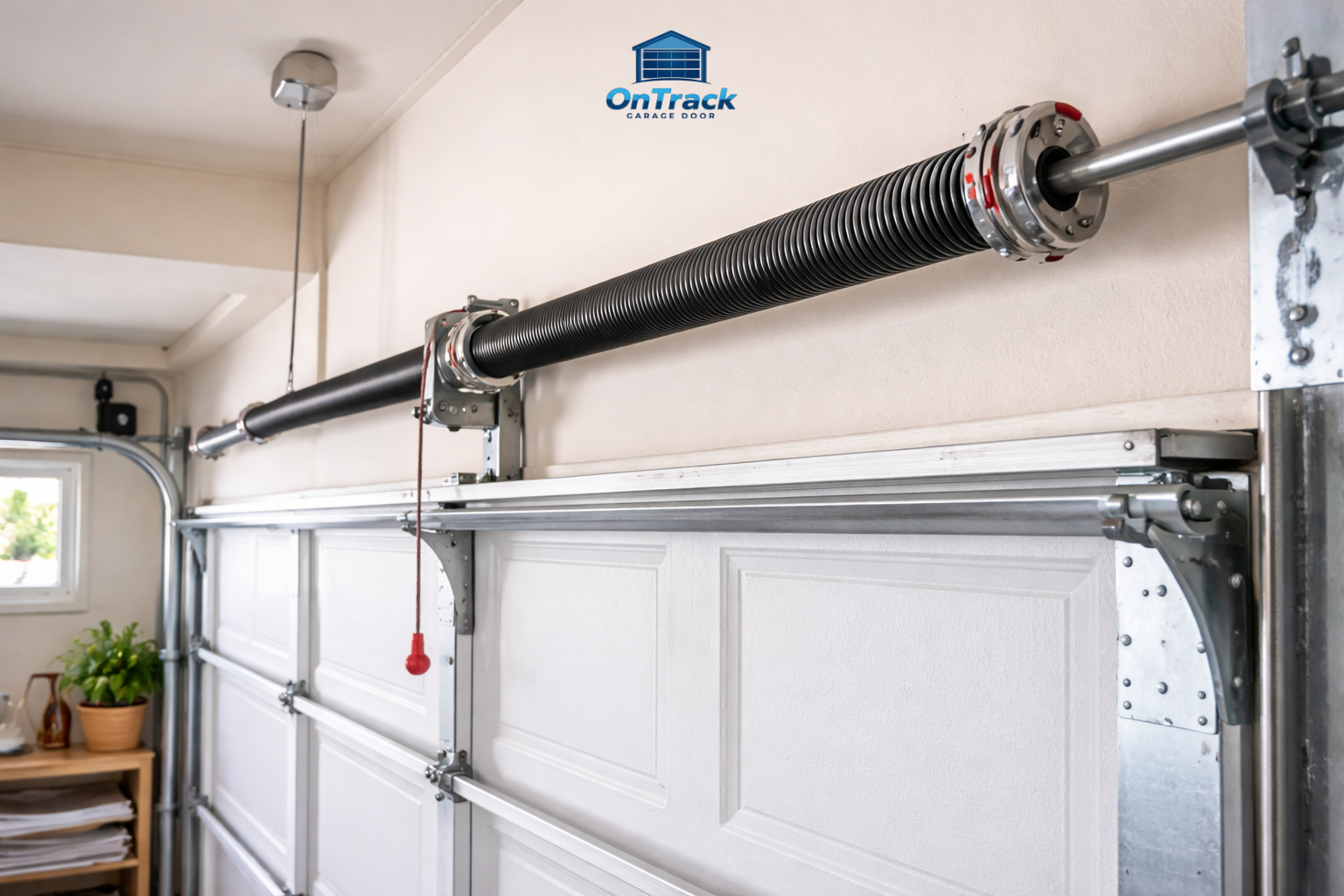
Springs and cables are crucial but dangerous components. Look for corrosion, frayed cables, or gaps in spring coils, but don't try to adjust or replace these parts yourself without training.
Safety mechanisms like sensors and auto-reverse functions need regular testing. Place an object in the door’s path to check the auto-reverse, and block the photo eye to ensure it stops the door. If any safety device fails, stop using the opener until it's fixed to avoid injury.
DIY Maintenance: Safe Tasks vs. Professional Repairs
Safe DIY Tasks for Homeowners
Homeowners can safely handle a few maintenance tasks between professional visits. These include lubricating rollers and hinges, cleaning tracks, tightening bolts, and replacing weatherstripping. These tasks improve performance and prevent wear without the risks of dealing with springs and cables.
Also, you can test safety features like auto-reverse and photo eyes by doing simple checks. If you’re unsure how a test should work, check your opener manual or call a technician for help to avoid disabling safety systems.
Tasks That Require a Professional Technician
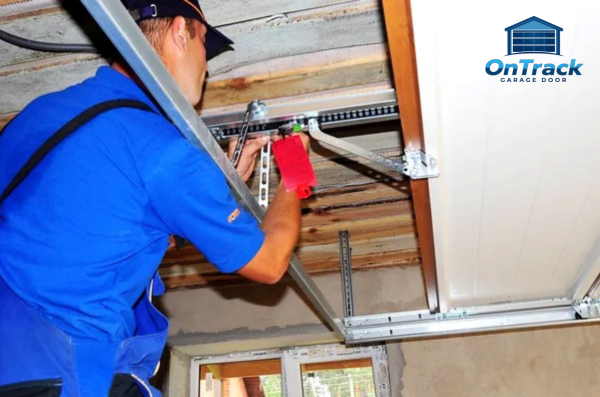
High-tension spring adjustments, cable replacements, and track repairs should be left to the pros. These parts are under a lot of stress and can cause serious harm if mishandled. Pros have the right tools and skills to do these tasks safely.
If you notice a broken spring, a snapped cable, or a door that falls suddenly, stop using it and schedule professional garage door repair. Quick professional action reduces injury risk and limits damage to the door and opener.
Choosing the Right Professional Service
When choosing a technician, check their certifications, insurance, and experience with your door type. A good provider will give a written estimate, explain the work, and provide a safety checklist or report after the visit. Read reviews or ask for references to confirm quality work and service.
If you’re in Pennsylvania, working with local experts who know the regional climate and building codes ensures better long-term performance. For installation, repair, or an annual tune-up, consider trusted local services like garage door opener replacement to address both performance and safety.
Real-World Case Studies and Local Relevance
Philadelphia Case Study: Neglected Maintenance Leads to Break-In
Take a real-world example from Philadelphia where a homeowner faced a garage door malfunction after months without an inspection, leading to a security breach and costly repairs. A worn cable and misaligned track created a gap that intruders exploited while the homeowner was away. This incident required both mechanical repair and security upgrades.
This case highlights why regular checks are so important. Local technicians familiar with the city’s architecture and weather patterns can recommend tailored solutions. Timely inspections could have caught the issues early, preventing the financial and emotional fallout.
How Climate and Local Architecture Affect Wear
Local climate affects how fast garage door parts wear out. In Pennsylvania, temperature swings, humidity, and winter road salts speed up corrosion. Local building styles, like attached garages common in Philadelphia, mean more frequent use and exposure to temperature changes, affecting lubrication and part lifespan.
Regular inspections help catch climate-related wear early. Technicians might recommend corrosion-resistant fasteners or inspect seals for moisture intrusion—steps that extend your door’s life and prevent unexpected failures.
How OnTrack Garage Doors Supports Local Homeowners
OnTrack Garage Doors offers repair, installation, and maintenance services across Pennsylvania, with experience in the region's residential systems. Our technicians provide annual tune-ups, emergency repairs, and safety inspections tailored to local conditions. Working with a trusted local provider ensures that maintenance recommendations and replacement parts suit both the home and the climate.
If you need quick help, our team handles everything from broken spring repair to full garage door installation. Choosing a local partner offers faster response times and technicians who understand Pennsylvania homes’ unique needs.
Step-by-Step Inspection and Troubleshooting Guide
Pre-Inspection Safety Steps
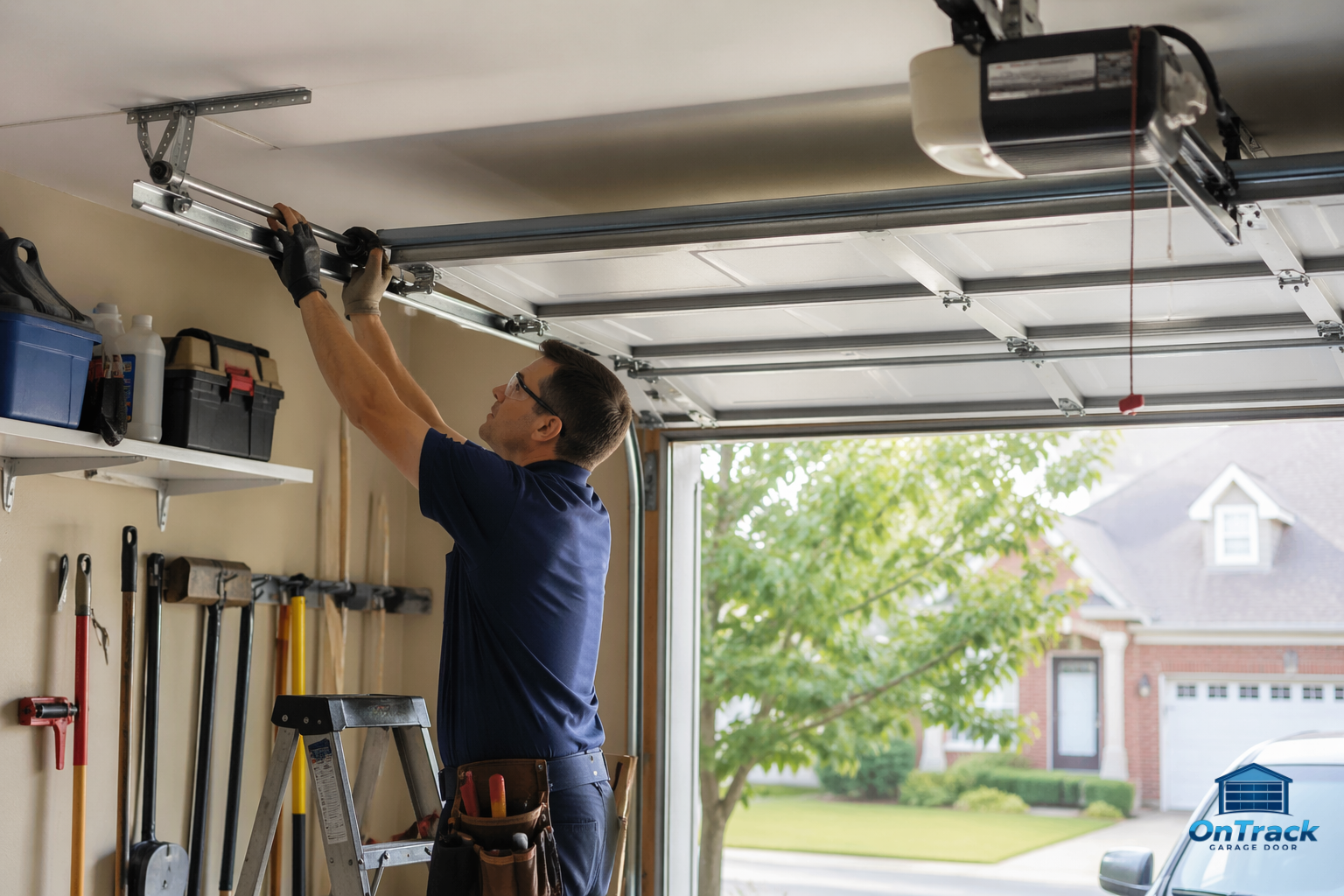
Before starting any inspection, follow some basic safety steps: disconnect the opener, keep kids and pets away, and use good lighting and tools. Wear gloves and safety glasses around moving parts and avoid standing under a partially opened door. These steps cut down the risk of injury during checks.
Also, place a secondary support, like a wooden block, under the door if you're working on it while it's disconnected. This support prevents the door from accidentally moving down, which could cause injury or damage.
Detailed Step-by-Step Hardware Inspection
Start with a slow manual test: open and close the door by hand to feel for sticking or uneven movement. Watch the tracks as the door moves and listen for scraping or grinding noises, which mean misalignment or worn rollers. Check each hinge and bracket for loose bolts and tighten them; inspect springs and cables for damage, but avoid adjustments if they’re under tension.
Next, check the opener: listen for strange noises, verify the travel limits, and test remote controls and wall switches. If the opener struggles or stalls, it might indicate worn gears, a failing motor, or a door imbalance, which usually requires professional garage door opener repair or replacement.
Troubleshooting Common Problems
If the door reverses unexpectedly or won’t close fully, check the sensors for misalignment or dirt and clean them with a soft cloth. Persistent opening or closing issues could mean a worn spring, failing rollers, or an aging opener. For noisy operation, inspect rollers and hinges, and consider replacing plastic rollers with nylon or steel options for quieter, longer-lasting performance.
If troubleshooting reveals issues beyond basic maintenance, such as a broken spring or a snapped cable, stop further attempts to fix the problem and call a qualified technician. Trying complex repairs without proper tools can lead to injury and costly mistakes.
Maintenance Plans, Costs, and Long-Term Benefits
What a Maintenance Plan Should Include
A good maintenance plan offers scheduled inspections, lubrication, safety testing, and priority service for repairs. It usually covers routine visits—monthly self-check reminders, quarterly lubricant and hardware checks, and an annual professional tune-up. Some providers also offer parts discounts and priority scheduling for emergencies, giving peace of mind and predictable upkeep costs.
Maintenance plans help spread minor service expenses across the year, reduce the chance of unexpected failures, and provide proof of regular care, which can help with home resale and insurance claims. Ask your provider for a written maintenance agreement that lists tasks and timelines.
Estimated Costs vs. Cost of Neglect
Routine maintenance is usually cheaper than emergency repairs or replacing components. Basic annual tune-ups are a cost-effective way to prevent expensive failures like broken springs or damaged openers, which can cost hundreds to replace. By investing in preventive care, homeowners avoid higher repair bills, maintain energy efficiency, and reduce liability risks related to injuries or security breaches.
Beyond direct costs, the intangible benefits of regular maintenance, like less downtime, better safety, and improved reliability, boost homeowner satisfaction and property value. The small recurring cost of inspections often pays for itself by preventing major failures and extending the door system's life.
Choosing the Right Plan for Your Home
Consider the door’s age, frequency of use, and local climate when selecting a maintenance plan. Homes with attached garages or those using the garage as a primary entry may benefit from more frequent checks and a plan that includes priority service. Older doors or high-cycle commercial-grade doors might need more hands-on care or component upgrades for safety and function.
When comparing providers, look for transparent pricing, clear service intervals, and safety tests in each visit. A reliable plan tailored to your door’s needs is an investment in safety and long-term performance.
Comprehensive FAQ and Expert Answers
How Often Should I Inspect My Garage Door?
Experts suggest monthly visual inspections, quarterly tasks like lubrication and hardware checks, and an annual professional inspection and tune-up. This schedule balances homeowner-led preventive measures with the technical know-how needed for high-risk parts. Following this routine helps spot problems early and keeps the door safe year-round.
Sticking to a regular schedule also reduces emergency repairs and makes maintenance budgeting more predictable. If your door gets heavy use, consider more frequent checks and discussing a custom service plan with a technician.
Can I Replace Springs or Cables Myself?
No. Replacing or adjusting springs and high-tension cables should only be done by professionals. These parts store a lot of energy and can cause severe injury or damage if handled incorrectly. If you suspect a spring or cable issue, contact a technician immediately and avoid using the door until it's fixed.
Professional repair ensures the right parts are used, tension is set correctly, and safety protocols are followed. Trying DIY fixes on these items is unsafe and often more costly if mistakes happen.
What Are the Most Important Safety Tests?
Key safety tests include checking the auto-reverse function, sensor alignment, manual release operation, and door balance. Do the auto-reverse test by placing an object in the door’s path and confirming it reverses when the object is contacted. Sensor tests involve blocking the photo eye to ensure the door stops or reverses. Check the balance by disconnecting the opener and opening the door halfway to see if it stays in place, indicating correct tension.
Complete these tests monthly or before heavy use, and any failures should prompt an immediate professional inspection. Regular safety testing cuts down the risk of injuries and ensures compliance with safety standards and local codes.
Conclusion: Make Inspections Part of Your Home Safety Routine
Regular garage door hardware inspections are a key part of home safety and security. With thousands of injuries each year related to garage doors and frequent use of the garage as a main entry point, proactive maintenance cuts down risks, helps keep your home secure, and extends your door’s life. Monthly checks, quarterly maintenance, and annual professional tune-ups form a strategy that addresses both everyday wear and high-risk components.
OnTrack Garage Doors offers inspection and maintenance services across Pennsylvania to help homeowners keep doors safe and functional. If you hear strange noises, see loose hardware, or notice any signs of wear, don’t wait; contact our team for fast, professional service. For scheduled maintenance, repairs, and installations, explore our services like garage door opener installation and expert repairs to maintain safety and convenience.
To schedule an inspection or learn more about maintenance plans, call OnTrack Garage Doors at 215-930-2922 or email us at ontrackdoorsus@gmail.com. Regular inspections prevent accidents, protect your home, and provide peace of mind. Make them part of your routine today.
Additional Resources
For guidance on home safety and injury prevention, check out resources from the Centers for Disease Control and Prevention (CDC), which offers tips for preventing home injuries. For safety codes and fire safety information, see resources from the National Fire Protection Association (NFPA). These organizations provide valuable information on household safety, reinforcing the importance of mechanical inspections and preventive maintenance.
For more on the benefits of regular maintenance and long-term savings, read our related posts like How Regular Garage Door Maintenance Can Save You Money and learn why professional installation and repairs matter from our article on professional track installation. If you’re considering an upgrade, our page on garage door replacement explains product options, energy efficiency improvements, and value added to your home.